Tag Archives: local radio

When Is Local Radio NOT Local?

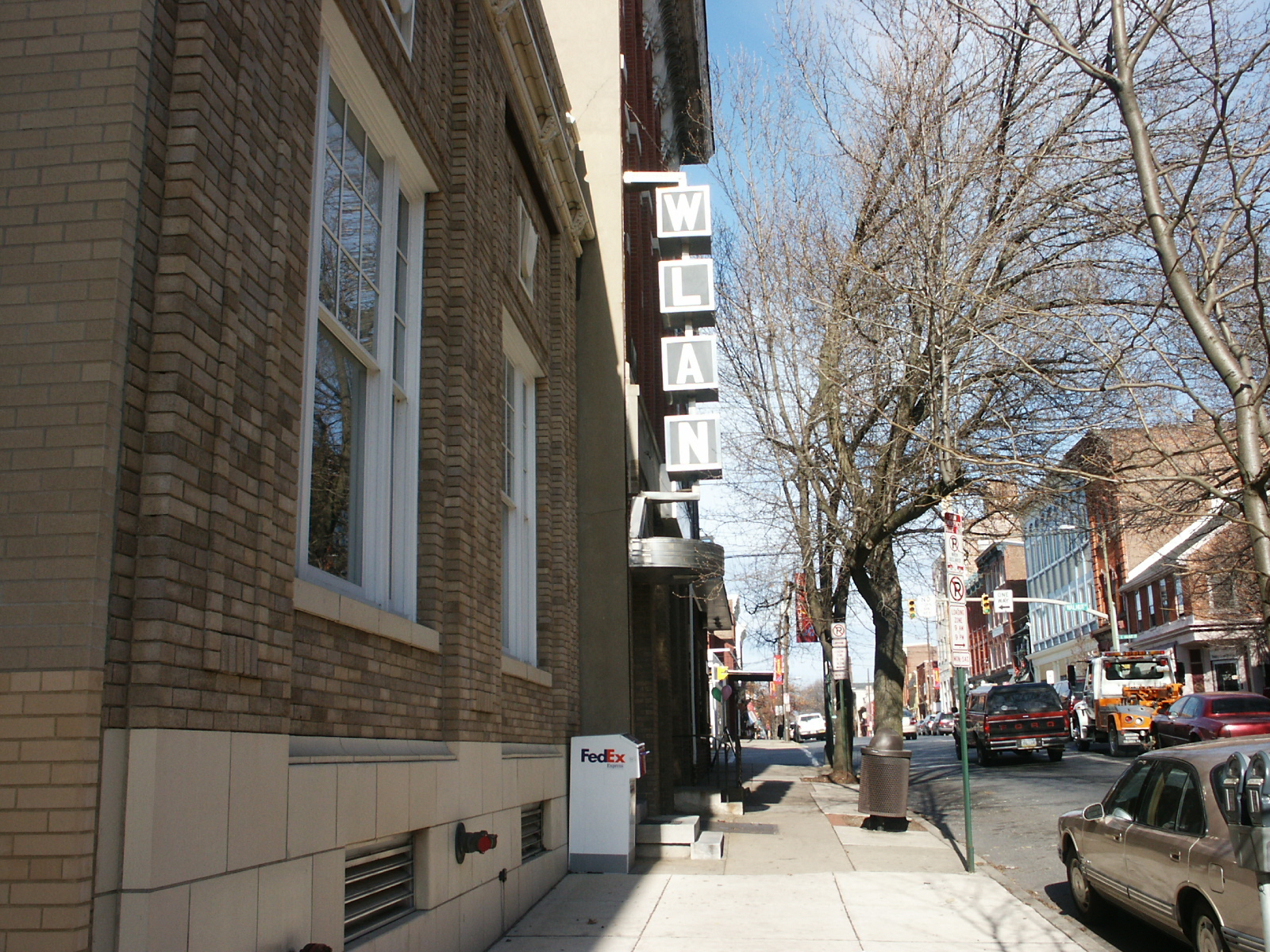
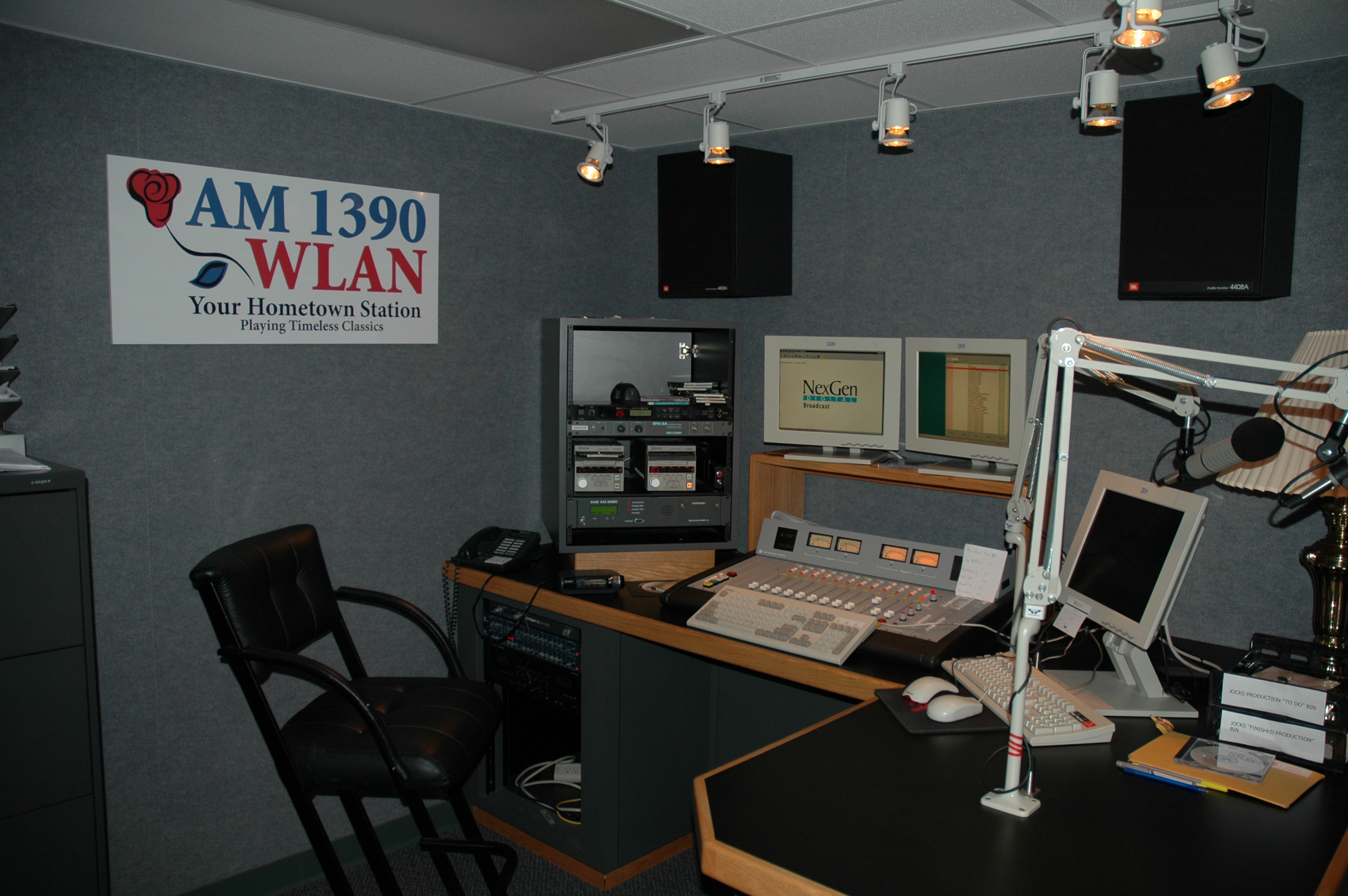
WLAN – AM1390 signed on the air in Lancaster, Pennsylvania in 1940 from offices and studios located 252 North Queen Street. Seven years later, WLAN – 96.9FM began broadcasting from the same location as the AM station, which was a three and four story walk-up.

2004
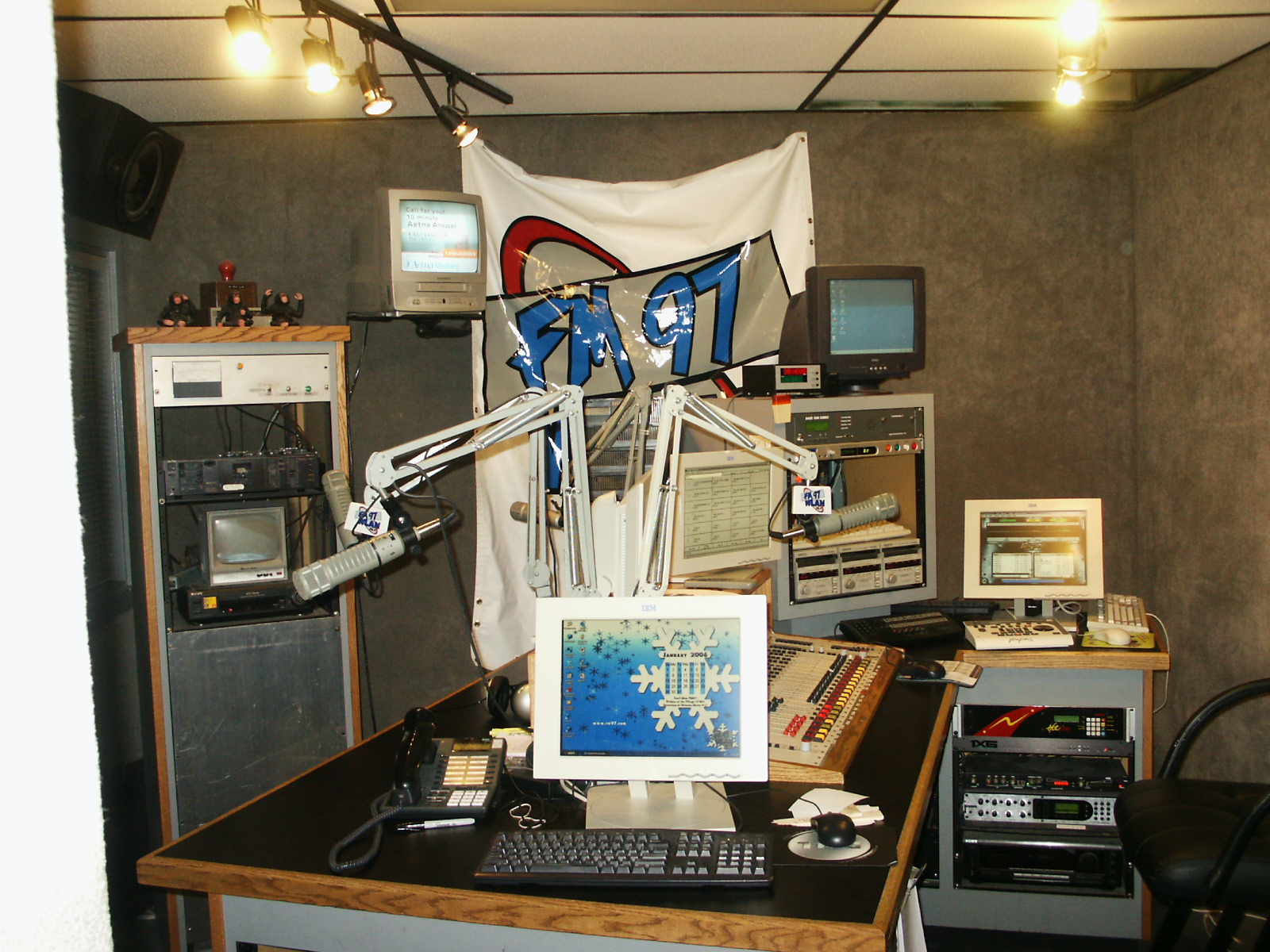
I was hired as the General Manager of WLAN AM/FMN in the fall of 2004 and quickly realized the stations not only needed to be modernized but relocated to a part of Lancaster that would be more accommodating to our listeners (for prize pickups and events), our advertising clients, and our staff – in particular our sales staff, which had to come and go from the station multiple times a day.

2005

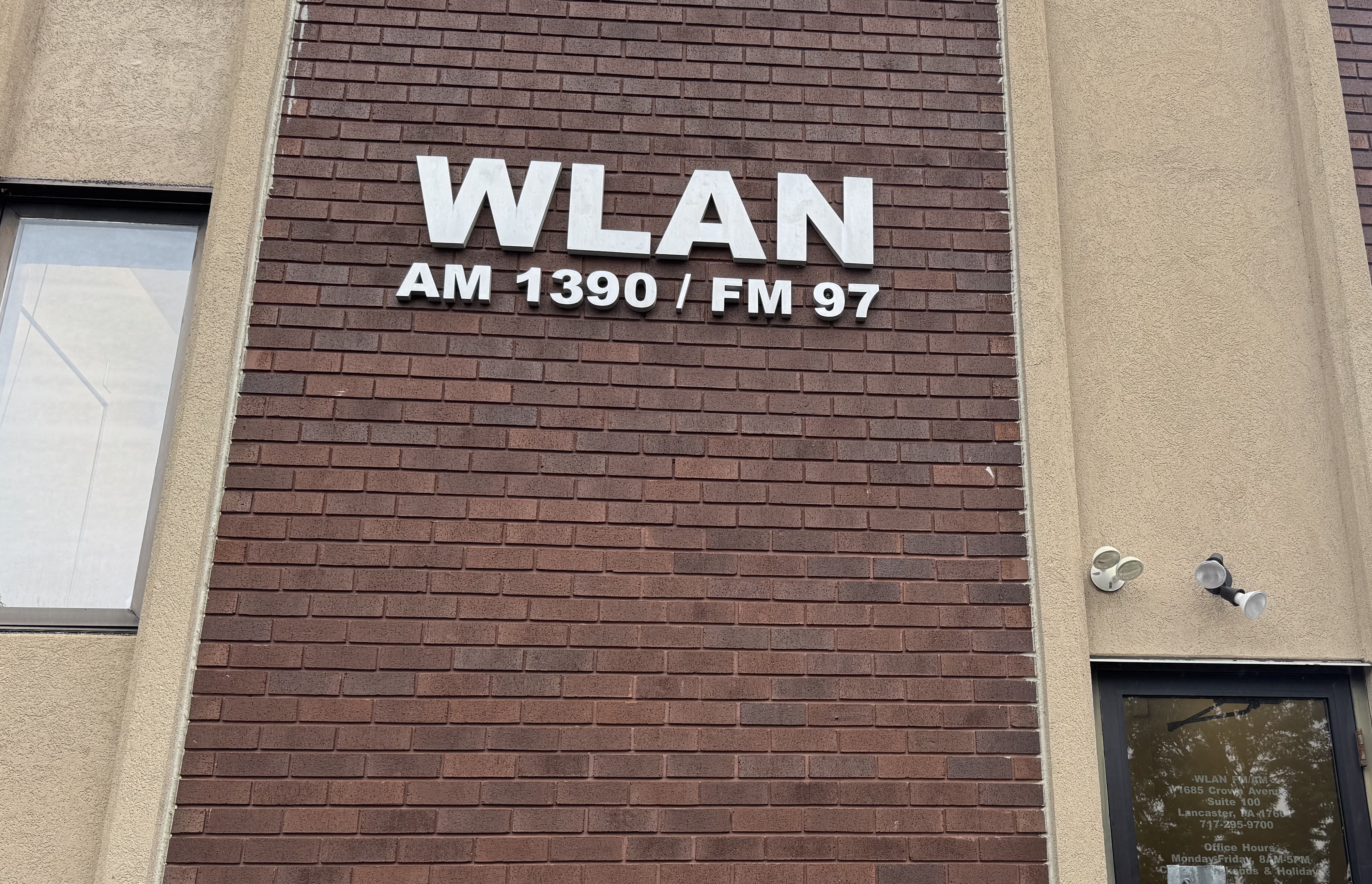
Meetings with Clear Channel corporate led to getting a budget for a move and the green light to relocate to 1685 Crown Avenue, Suite 100 in Lancaster.

2006

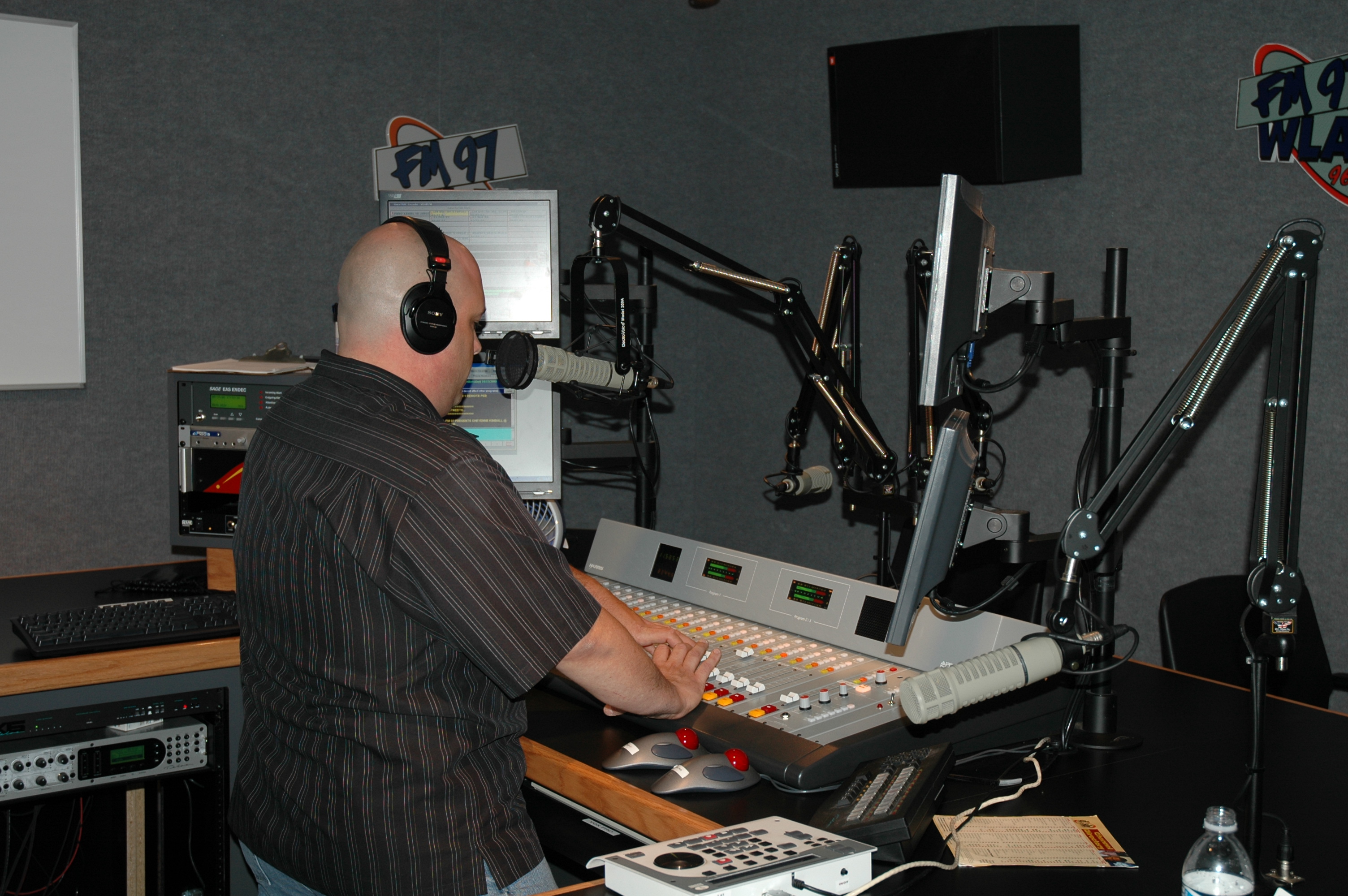
In May of 2006 the ribbon was cut and a huge party for listeners and advertisers was held in our parking lot outside of our state-of-the-art broadcast center. Tours of our offices and studios were given while members of The New Holland Band serenaded our guests.
19

Sadly, while the stations were able to broadcast from their original location for sixty-six years, the new facility would be abandoned just 19 years after it was opened.

I learned this news when I stopped in to visit the stations during a weekend getaway my wife Sue had planned in Lancaster County.

As we drove up to the front door, we saw a dumpster outside filled with building materials and looking through the windows, we saw that the former offices and studios had been completely gutted.

Nobody’s Home Anymore

What I would learn is that WLAN AM/FM had moved to Harrisburg, Pennsylvania; about 40 miles and an hour’s travel time away from Lancaster.

Listeners who wanted to pick up prizes they may have won, now had to drive to 600 Corporate Circle in Harrisburg.

The website listed numbers to call for the Studio Lines, but all I’ve gotten when I’ve tried calling is a recorded message that says “your call cannot be completed as dialed.”

Local Is Where You Live

In my time as general manager of WLAN AM/FM, I rarely traveled to Harrisburg, even though my regional manager was located there and was manager of Clear Channel’s dominant radio stations in Dauphin County and Pennsylvania’s capital city. Harrisburg was a world away from Amish country in Lancaster.

WLAN-FM now lists itself as a Harrisburg/Lancaster radio station with Elvis Duran’s New York City syndicated morning radio show airing live and voice tracked DJs the rest of the day.

The only local air personality that remains from my days at WLAN is Damian Rhodes who is the station’s production wizard and covers the 4-7pm afternoon drive time period.

Reviewing WLAN-FM’s website reveals mostly items for iHeartRadio, national news, entertainment and music stories with just a couple of items for events in Harrisburg, but it is devoid of anything happening in Lancaster.

For a city of almost 60,000 people located in a county of over 560,000 people, you would think there would be a lot going on that a LOCAL radio station would be involved in.

I know that’s the way it once was, when the radio station was actually broadcasting from the City of Lancaster.

“Doesn’t it always seem to go,

You don’t know what you’ve got,

Til it’s gone.”

-Joni Mitchell

26 Comments

Filed under Education, Mentor, Radio, Sales

The Waiting for Godot Fallacy

I know many people who come to this blog and post comments about the articles I write pine for radio to return to the way it was twenty years ago. They’re hoping that one day the big consolidators will move on to new business ventures and will sell their radio stations back to radio people who will run those stations correctly. Sadly, wishing for that to happen is like Waiting for Godot .

But that doesn’t mean there’s not a future for radio. One of my readers, a multi-decade broadcast manager, engineer and consultant wrote the perfect prescription for making radio healthy again. Today, I would like to share with your those thoughts.

It’s Not About Being Local

“Local” being the savior of radio is a canard and always has been. The beauty of social media is that it is a rich media experience that is personalized expressly for one person: you. Radio cannot hope to be so “local” that it can beat that.

Serve Your Tribe

The secret to radio’s survival is not localism but “tribalism.” Providing not just a service but an experience. An experience that joins numerous people together, regardless of geography. Hence the success of right-wing talk radio, the success of NPR (which is rarely less than 21 or 22 hours of national progamming out of every day on virtually every “member station”) and most informatively, the success of K-Love, which has near zero local content at all yet has grown a huge and profitable audience.

These outlets’ content has precious little to do with the local community, but they all share a powerful defining aspect: listeners self-identify as being proud to listen (and prouder to donate to) the outlet in question.

Commercial Radio’s Tribal Leadership Vacuum

Most commercial radio outlets have achieved this tribalism on the backs of longevity of a given host: KISS 108 has been top-rated in Boston for decades because that audience has tuned in to hear Matty Siegel every morning for over forty years. Rush Limbaugh had his legions of Ditto Heads for nearly as long.

And therein lies the rub. Most of those hosts are in their 70s or older…or dead…and the pipeline to replace them has been sealed off thanks to post-1996 consolidation. Non-commercial radio operators, like K-Love and NPR, have succeeded in finding a content/style niche but there’s only room for so many of those.

It All Comes Down to Your Talent — Growing & Retaining It

So, to put it another way: it’s not localism that’ll save radio; it’s talent. And radio has worked very hard to drive good talent out of the business.

“Talent hits a target no one else can hit.

Genius hits a target no one else can see.”

-Arthur Schopenhauer

3 Comments

Filed under Education, Mentor, Radio

Great Local Radio is Community & Companionship

95

In April 2017, I asked “What can radio do that other media can’t?

And the answers to that question continue to pour in.

Jay Clark’s Answer

Jay Clark shared the story of a 5-station radio cluster in a non-rated market that he consults. The stations’ new Market Manager invited Jay to do a station review and make certain everything was being done the best it could be to serve the market. The two FM stations had market acceptance and well-established air staffs. Unfortunately, most had never been coached, and those few who had been coached, it was years ago. Coaching is like maintaining your car you need to do it on a regular basis.

The music rotations and station imaging were basically stagnant. Two of the three AM stations were still playing music, but brought in zero revenues.

Note that everyone who worked at the stations was included in the discussions about the changes that needed to be made and were excited about contributing to these stations’ new directions.

AM Changes

The two AM radio stations were changed from music to talk, one with religious programming and the other with sports programming. Now both of these stations are seeing the flow of dollars for the first time in years. While no revenue giants, they are growing listeners and dollars.

FM Changes

All air talent received coaching. Music and music rotations were all upgraded. Traffic and a new Sales Manager bought into new inventory control metrics.

While these changes were taking place internally, both the Market Manager and the new Sales Manager were out in the community meeting and listening to current clients, potential clients and market leaders. In less than a year, both of these individuals established themselves as important figures in the community.

Community Involvement

The stations are actively involved in local charity events. They’ve also learned how to marry these events with potential advertisers to demonstrate the power of radio and their stations.

For example, a local automotive dealership they approached about radio advertising said he didn’t believe in the power of radio and that’s why he hadn’t used it in years.

However, his favorite charity was an annual food drive.

The stations ran the next food drive at his dealership and the success of that drive convinced the owner to start a large radio advertising schedule that continues airing.

This same formula was repeated with other charities with the same positive results.

What you give to your communities will come back to you.

Revenue Growth

It takes shoe leather to make sales and grow revenue. The management team at these stations rolled up their sleeves, met with the movers and shakers in their community, listened to them and responded to what they heard, made the cold calls, and created advertising programs that got results.

Sales year to year were up 22% in the last quarter of 2016. Sales in the first quarter of 2017 were up 28% over last year. Expenses were flat.

Radio is a “Contact Sport”

What the management of these stations did is what every radio person knows: hit the streets, get face-to-face with decision makers, bring ideas and make things happen.

Train your sales people and make them more productive.

Do all the right things, consistently, every day to achieve success for your people, your advertisers, your charities and your community.

Be good neighbors who become good friends.

People always do business with people they know and like.

The essential point – Community & Companionship

Jay’s consulting of these stations helped them to reflect the marketplace and its diversity over the five different radio stations. After all, it’s a lot easier to sell in a small or medium market when the business community listens and likes your radio stations. Three of the stations were a franchise in the market place.  All they did needed were updating and revamping to better serve the community’s needs. Because people grew up with these signals they had something that the new players do not, tradition.

Tradition and franchise are radio’s great advantage;

it’s what radio has that other media does not.

Fortunately, management recognized and agreed that you can’t be successful by eliminating the very people who make your local stations “family” to their community.  A local air staff, combined with national programming that is localized by constantly changing pre-produced host intros, outros, and breaks, is critical to serving the marketplace.

Because the local air staff lives in the community, they understand their audience. They are engaged in local sales promotions and charity broadcasts.  They are the face of these radio stations to the listeners in the community.

Jay says, “an essential point that many, in their quest to chop costs, forget.”

More Details

If you’d like more details about all of this, you can give Jay a call on his cell phone at (212) 203-1331 or shoot him an email at: jay@jayclark.biz

We all have mentors and Jay Clark, a Pittsfield, Massachusetts boy like me was one of mine. From Pittsfield to New York City, Jay has done it all and seen it all.

Remember, great local radio is about attention to the details: station management that is focused on their people, sales personnel who are on the street focused on the station’s clients, constant attention to local production and keeping things fresh, national programming that complements the values of the market combined with live and local personalities engaged in their community and being dependable companions.

7 Comments

Filed under Education, Mentor, Radio, Sales