

On June 26, 1941, at 6:57am, a new local radio station, WINC -1400AM began serving the Winchester, Virginia community. It was the city’s first radio station, and it brought Virginia Senator Harry F. Byrd and Virginia Governor James Hubert Price to town for the ribbon cutting ceremonies signing on this new radio service.
The radio station’s offices, studios, transmitter and tower were located at 520 Pleasant Valley Road in Winchester.

It would broadcast live descriptions of the attack on Pearl Harbor and FDR’s famous “Infamy Speech” only six months after signing on-the-air.
In 1947 a radio contest on WINC (known locally as Wink) would take down the entire telephone system for the City of Winchester, as female listeners tried to win a free pair of nylon stockings and a $10 handbag.
Virginia Hensley
Winchester’s most famous resident is Virginia Hensley, better known to the world as Patsy Cline.
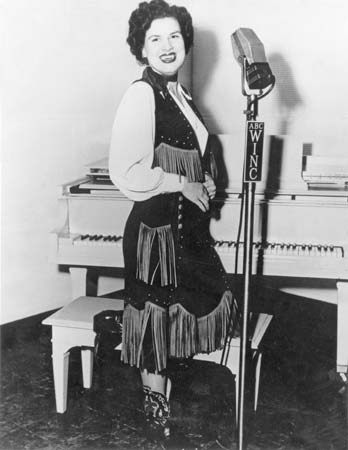
When Ginny was just fourteen years old, she walked into WINC and asked if she could sing on one the station’s live music shows, . The leader of the band, told her to come back next week and maybe he’d let her sing on the radio. Ginny returned the following weekend and made her broadcast debut on WINC in 1948.
Other stars to visit the station included, Bing Crosby, Bob Hope and Paul Harvey, who would broadcast his national News & Commentary over the ABC Radio Network on April 14, 1962.
Local Radio
WINC provided residents of Frederick County Virginia with news, entertainment and advertisements from local retailers. Those ads must have been popular with the business community because the radio station ran into trouble with the FCC (Federal Communications Commission) when trying to renew its broadcast license in 1971. At that time, the FCC allowed no more than 18-minutes of commercials per hour and WINC was airing 22-minutes of ads. It was reported that the FCC’s Broadcast Bureau Chief felt the excessive number of commercials were not in the best interests of Winchester community, but in the end renewed the station’s broadcast license.
Programming
Through the years, WINC -1400AM would undergo various programming changes. From live musical performances, to playing records. Musically, the station went from playing middle-of-the-road music, to adult contemporary, to classic hits; finally changing to a news/talk format in 1996, because its sister station, WINC-FM 92.5 had become Winchester’s most popular music radio station.
75th Anniversary
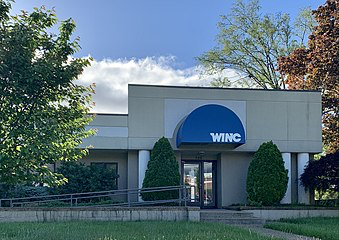
In 2016, WINC-1400AM celebrated its 75th anniversary of broadcasting. During this period of time, the station had only two different owners, the Lewis family and Centennial Broadcasting.
Richard Field Lewis, Jr., a broadcast engineer filed the initial application for a new station in Winchester in November 1940 and six years later, he would launch sister station WINC-FM.
On October 18, 1957 Richard F. Lewis, Jr. died and control of the two stations would pass to the Lewis family and incorporated as Mid-Atlantic Network, Inc.
In May 2007, the Lewis family would sell WINC AM/FM to North Carolina-based Centennial Broadcasting for about $36 million.
The End of an Era
Centennial would begin divesting their Winchester radio properties, which now numbered three FM stations and one AM radio station in 2020.
50,000-watt WINC-FM would be sold to the Educational Media Foundation (EMF) for $1.75 million, which would begin airing EMF’s Air1 network. Centennial’s other two FM stations would be sold to Fairfax, Virginia-based Metro Radio, Inc. for $225,000.
The future of WINC-1400AM was uncertain as the radio station celebrated its 80th anniversary in 2021. Ultimately, the station would find a buyer that paid $25,000 for the signal. The call letters WINC would be changed to WZFC upon completion of the sale in October 22, 2021.
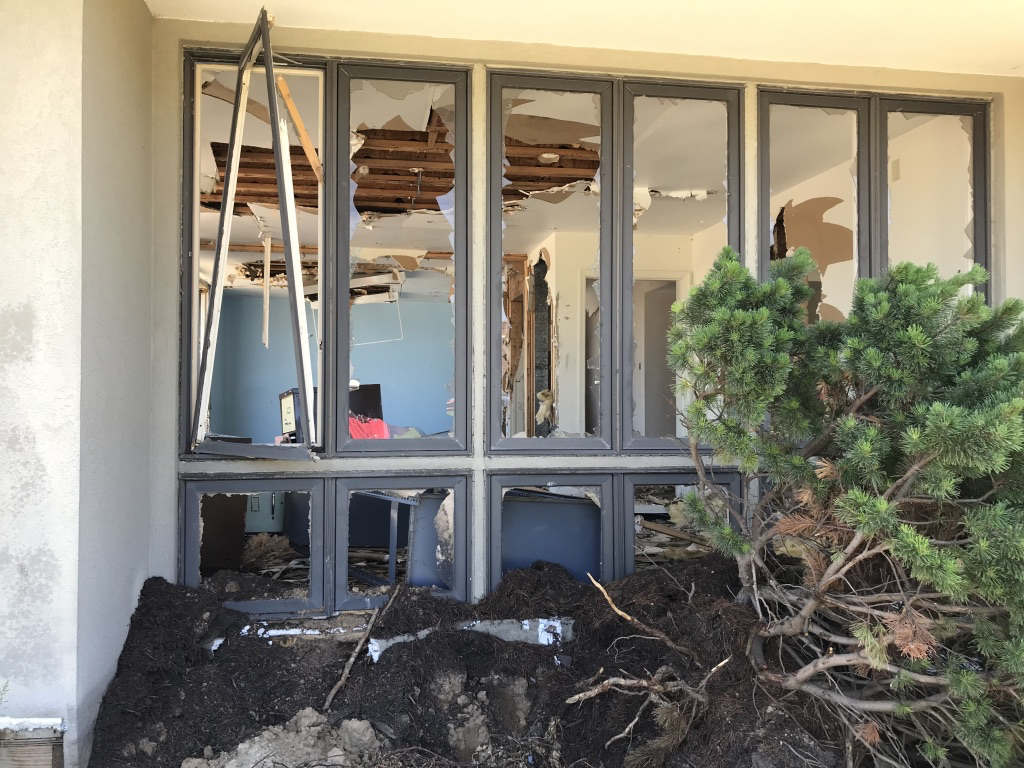
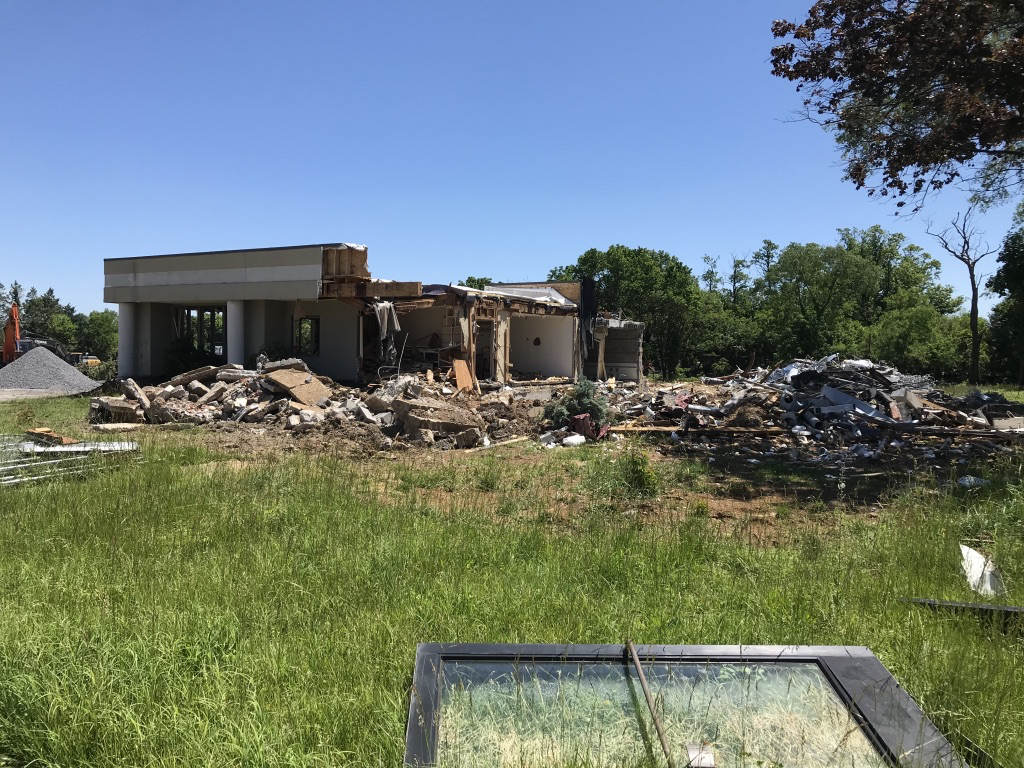
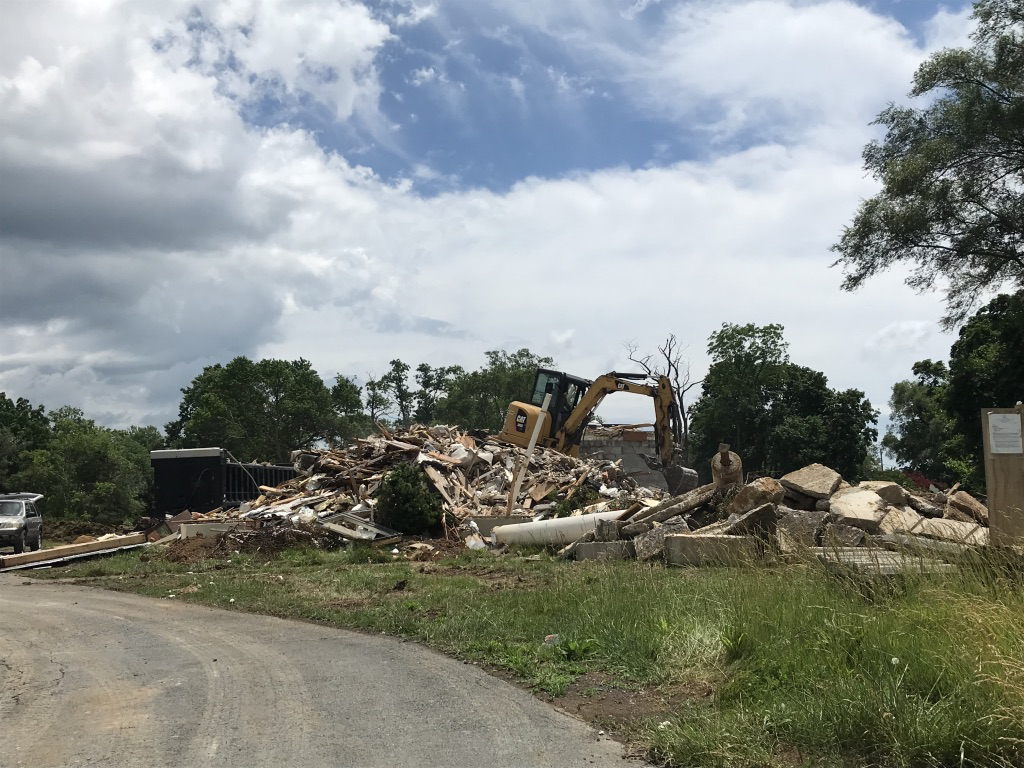
How do you mark the end of a local radio station?
Was it when:
- WINC-FM was sold to EMF and its call letters were changed to WAIW?
- WINC-AM was sold and the call letters were changed to WZFC?*
- The retirement of 37-year Wink Morning Man Barry Lee when the radio stations were sold?
- The demolition of the building WINC AM/FM had broadcast from for over its 75-year existence?
Every day, communities across America are finding a once local radio station vanishing, sometimes they’re replaced by syndicated programming with little local service, other times the city of license is changed and the local radio service is moved to a larger population center and sometimes, the signals just go off-the-air.
Generations who grew up and lived in Winchester, Virginia depended on radio stations WINC AM/FM as they were a part of the fabric of the community. More importantly, the local radio personalities that were heard over Wink Radio for decades, were very much a part of these families lives.


 DickTaylorBlog