

 When I was growing up, there were lots of examples of what a radio looked like. The instant we saw it, we immediately knew it was a radio.
My first radio was a Zenith Royal 50. It was red & white and came with a brown leather carrying case and a single ear phone. It opened up the world to me.
In high school & college my radio was a Grundig 2440 table radio with a 100-foot copper wire antenna running across my parent’s backyard from my second floor bedroom window. Another wire would run out that same window to the ground.
Once I got my license to drive, the radio that would get the most use would be the AM radio in my 1969 Chevrolet Biscayne.
My home radio of choice would be purchased after many years of longing and being brainwashed by the radio advertisements delivered by the one & only Paul Harvey during his daily news & commentary broadcasts over the ABC Radio Network. It would be the BOSE WAVE Radio.
When I bought my new MacBook Air, it came with a free pair of Beats Wireless Headphones.
 My new iPhone7 uses the Apple AirPods.
Wireless headphones outsold non-bluetooth headphones in the first half of 2016 (just a year ago). I wrote about this evolution in headphone technology this past March 2017 in a post about the MAYA principle.
Things Forecast to Kill Radio
Radio still dominates in the automobile.
Over my radio career I lived through so many technical innovations that were forecast to kill radio, especially in the car.
There was the 8-track player, cassette player, CB Radio, CD Player, CD Changer, iPod, thumb drive, iPhone and streaming audio.
In each case we would learn that all each of these innovations did was replace a previous innovation by that percentage of the audience that wanted to curate its own music or programming. It never really replaced what over-the-air AM/FM radio delivered.
Hotels Eliminate Radios
I’ve just recently stayed in two different major hotel chain hotels that were either recently remodeled or newly constructed. The analog TVs have long been replaced by HDTVs, and showers now replace bath tubs, LED bulbs replaced the old filament ones, but the big surprise was the complete elimination of the radio.
They have been replaced by something called “CubieTIME.”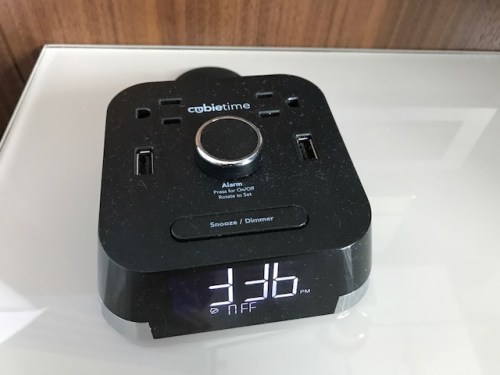
This device will tell you the time and you can set an alarm to awake you at the appointed time you wish to start you day. But those little radios (that never could pick up crap in more recent times) are gone.
Atlantic City Maid Checklist
For over a decade I ran the beautiful music/easy listening radio station in Atlantic City, New Jersey. Most of the casino hotels had a standard checklist of things a maid would do when preparing the guest room for the next patron.
One of those things was setting the radio to a pleasant volume and tuning it in to 96.9 FM for the soothing music of WFPG (the radio station of the World’s Famous PlayGround).
Today’s Kids vs. 1980’s Technology
In my recent college capstone class, I asked the students when they got their first cell phone. All the students said when they were in elementary school. The smartphone, not a radio, was what they wanted next as they were growing up.
The technology we grew up with and enjoyed is alien to today’s youth.
This short video brings home how things have changed.
You can view it on YouTube here: https://www.youtube.com/watch?v=7v75QpvISUs
What Icon Represents Radio Today?
The big question for the radio industry today is what iconic symbol represents the medium today? Not a radio tower. John Hogan, former president of Clear Channel, said during all of my years working for the world’s biggest radio broadcaster that we were no longer about tall towers in big fields. Most radio sets look like something from the 20th Century or older, not the 21st Century world of today.
Should it be a microphone? A pair of headphones? A computer? A smartphone?
I think I will just turn on my RADIOradio while I ponder this question.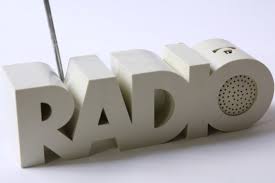
 I manage the “Radio/TV/Digital Sales Help Wanted” bulletin board at my university. I’ve been doing it for the past 7 years. I’m sometimes sad to post the help wanted ads sent to me because of how they characterize the position they seek to fill.
 This week produced some conflicting economic data. The stock market was setting new records and the
  I grew up with TV.
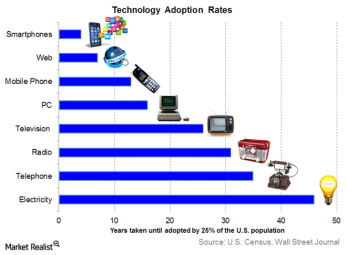 The one constant in life is change.
 This past week was another tough one for the wonderful people who work in radio. Most people who get into radio do it because they’ve caught the “radio bug” and the work becomes their life’s passion. I know that’s how it is for me.
 My Capstone Class students read several books on management during the semester. Some are on personal management, self-improvement type books if you will, because how can you manage others until you can first manage yourself.
 In this Radio on Main Street podcast, RAB’s President & CEO Erica Farber, speaks with Dick Taylor, Broadcasting Professor at Western Kentucky University School of Journalism & Broadcasting. Dick is a passionate educator and speaks about the need to make new generations aware of career opportunities in radio advertising sales and management.

