

By definition, radio is, a: the wireless transmission and reception of electric impulses or signals by means of electromagnetic waves. b: the use of these waves for the wireless transmission of electric impulses into which sound is converted, according to Merriam-Webster’s dictionary.
Your cell phone sends signals to (and receives them from) nearby cell towers (base stations) using Radio Frequency (RF) waves. This is a form of energy in the electromagnetic spectrum that falls between FM radio waves and microwaves.
My First FCC License
When I studied for and passed the Federal Communications Commission (FCC) test to obtain my 3rd Class Radio-Telephone License, I initially wondered why it said “telephone” on it.

Telephones in 1968 were all wired devices, like in my parent’s house in which our family phone was connected by a copper wire and bolted to the kitchen wall.
When I began to study the history of radio, I learned that an early experimenter in radio broadcasting, Kentucky melon farmer Nathan Stubblefield, wanted to be able to talk to his wife while he was driving his automobile while away from their farmhouse. In those early days, no one had a clue what this new technology would become.
Radio’s Metamorphosis
The podcast “Local Marketing Trends” hosted by Corey Elliot and Gordon Borrell, recently featured an interview with the Radio Advertising Bureau’s (RAB) President/CEO Erica Farber in which she said the radio industry’s sales arm was going through a metamorphosis; today the RAB thinks more broadly, to include all things audio.
Gordon asked Erica if she meant podcasting and streaming audio like Spotify and Pandora, to which she said “Yes.” When might this happen, Gordon asked, to which she responded, “maybe today.”
Farber explained how she feels radio is ahead of the curve in not just delivering content, but in delivering services too. Radio is no longer just about selling thirty and sixty second spots but it’s a very different business now, with radio’s core product today being “delivering results.”
Audio Advertising Bureau
Might the Radio Advertising Bureau change its name to become the Audio Advertising Bureau?
I hope not. Here’s why I say that.
Radio suffers from traditional broadcaster thinking that it needs an FCC license, radio tower, antenna and transmitter which sends a signal out over the AM or FM radio bands. But if you ask a young person, what is radio, they will tell you about their favorite stream or podcast which they listen to through their smartphone.
Radio is not a dated identifier, it’s very much in vogue in the 21st Century, but what imagine comes to mind when one says the word “RADIO” will differ depending upon a person’s age.


Apple Music Radio
You might have missed Apple’s August 2020 Press Release about how they were changing the name of their radio service from Beats 1 to Apple Music Radio. In spite of trying to invent a new name for their streaming music offerings, their users called it “RADIO.” And now, so does Apple.

Beats 1, has been Apple’s flagship global radio station since its launch in 2015. Five years later, it’s been renamed Apple Music 1. Oliver Schusser, vice president of Apple Music, Beats and International Content, explained
“Apple Music Radio provides an unparalleled global platform for artists across all genres to talk about, create, and share music with their fans, and this is just the beginning. We will continue to invest in live radio and create opportunities for listeners around the world to connect with the music they love.”Beats
Now is NOT the time for AM/FM Radio broadcasters to abandon the sonic brand known as “RADIO.”
Adapt or Die
When people started streaming over the Internet and calling it “radio,” traditional broadcasters looked down their noses in much the same way that print journalists looked down their noses at the new media platforms like Buzzfeed and Vice Media invading their world.
Traditional media survivors will learn to accept and embrace the new platforms that disrupt the world as we knew it and are creating the world that will be.
An inability to adapt to new platforms is what causes both people and industries to fail.
AM, FM, internet streaming, smartphones, connected cars are all platforms. Radio, newspapers, magazines and the like, are all media products. Understanding this dichotomy is critical.
And so, the challenge for radio is not changing its name, but adapting its product to today’s platforms.
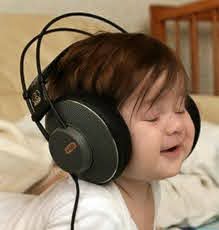
 I’ve been thinking about these two forms of audio for some time now. With each new article published about streaming, we see how more and more people are listening to music in this way. The smart speaker has certainly contributed to the growth of music listening via streams, and the smart speaker growth is exploding.
 It’s not unusual for little boys and girls to ask the question “Why?” They ask it a lot.
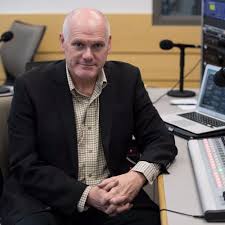 I was recently invited to be a guest on the radio show and podcast “Watch the Media with John Shrader.” The program airs on the University of Nebraska-Lincoln campus radio station and the podcast of the show can be heard on
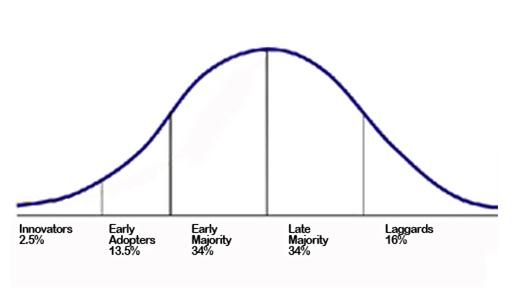 They are part of the Late Majority and Laggards.
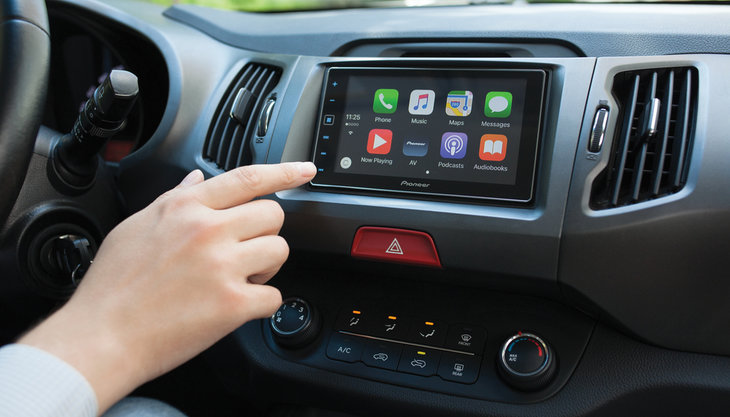 The primary way people access radio today is in their car. But by 2020, it is estimated that 75% of the cars sold will be connected to digital services.

 It was only 11-years ago that Steve Jobs took the stage and held in his hand the future. It was an iPhone.

 On the surface these two things appear to have nothing in common. Right? But stay with me as I explain. I follow Duke Professor, celebrated author and student of human nature Dan Ariely. Dan writes a regular
  Did you know you don’t need an iPod to listen to a Podcast? OK, if you’re reading this, you probably did know. I know my students know, because they are already listening to Podcasts on all kinds of devices that connect to the Internet.
 y, one episode per week, and no one, including the Serial Team knows where it will end until they get there. Because of this, listeners to the Podcast that might have intimate information about the story contact Sarah and her team with leads and information for them to pursue. Had I been listening in “real time” as each new week’s episode was posted I would have been able to contribute had I had such knowledge about this story myself. (I didn’t) However, because I had the entire season one loaded onto my iPod, I had a similar problem to the year one of my son’s gave me season one of the TV show 24. Knowing I had the next episode at the ready meant I got very little done once I began watching that DVD. The good news is when it comes to audio content; you can do other things while listening, such as driving 15-hours back home for Christmas.
 DickTaylorBlog