

I just finished reading the public radio research report “An Audience Growth Strategy for Public Media” prepared by Jacobs Media and Mark Ramsey Media for Maine Public radio service. What really stood out to me was how clearly this report shows where the future is for all traditional linear media.
Linear Is In The Rear-view Mirror
Broadcast radio and television – traditional media – was built on a linear program schedule, delivering to the media consumer, information and entertainment on a schedule determined by the broadcaster. The VCR (video cassette recorder) developed in 1956 became widely available in the late 70s and by the early 2000s was in virtually every American household, giving television consumers the ability to now watch shows on their schedule, not the program provider’s.
“It is painfully obvious neither broadcast radio nor television is growing, especially as it concerns traditional (terrestrial) usage and linear program schedules,” writes Jacobs/Ramsey.
Today’s Media Consumer
America continues to become more diversified: 72% of Baby Boomers are white but only about half of Millennials are white and four-in-ten of Gen Zs are white.
Millennials were born between 1981 and 1994, so VCRs have always been a part of their life and Gen Zs were born 1995 and 2009, which means also having an iPod type device has always been part of their life. Both of these devices contributed to the habit of having what you want, ON-DEMAND.
In 2007, the iPhone introduced us to a media device that made ON-DEMAND media consumption ubiquitous.
Listening Options
Today’s non-radio listeners have a plethora of media options:
- Spotify
- Pandora
- Apple Music
- Amazon Music
- Radio Tunes
- SiriusXM
- Podcasts
- Audio Books
- YouTube
- Social Media
…just to name a few.
Jacob/Ramsey says “Linear program schedules common to over-the-air [broadcast] stations are not in alignment with new media consumption habits.” Today’s consumer is in control, not the media provider.
ON-DEMAND Digital
In today’s world, the future is “Go Digital, or Go Home.”
Today’s traditional broadcasters (Radio & TV), must take advantage of digital’s ability to serve their audiences with what they want, when they want it and on the media platform they want it on. The same attention given to over-the-air broadcasts will need to be given to all the other ways of content distribution; as each is of equal importance to the media consumer.
“Broadcast radio and television will remain the core business for years to come, but a focus on traditional media can no longer be considered a growth strategy,” writes Jacobs/Ramsey.
Peacock & Netflix
NBC’s Peacock streaming service paid $100 million dollars to exclusively stream the wild-card playoff game between the Kansas City Chiefs and the Miami Dolphins, setting a record for the most-streamed live event in American history. Comcast Chairman & CEO Brian Roberts considered the streaming gamble a success and a very proud moment for the company, but for consumers it will mean having to pay for playoff games in the future.
This week Netflix announced it had struck a 10-year deal with WWE to air “Monday Night Raw” on its streaming service. This program has been on linear television since 1993; 31-years ago.
Peak Listening On Audio Platforms
This pat week, when Edison Research published their article on which media platform commands the most listening in different dayparts, it was eye-opening.
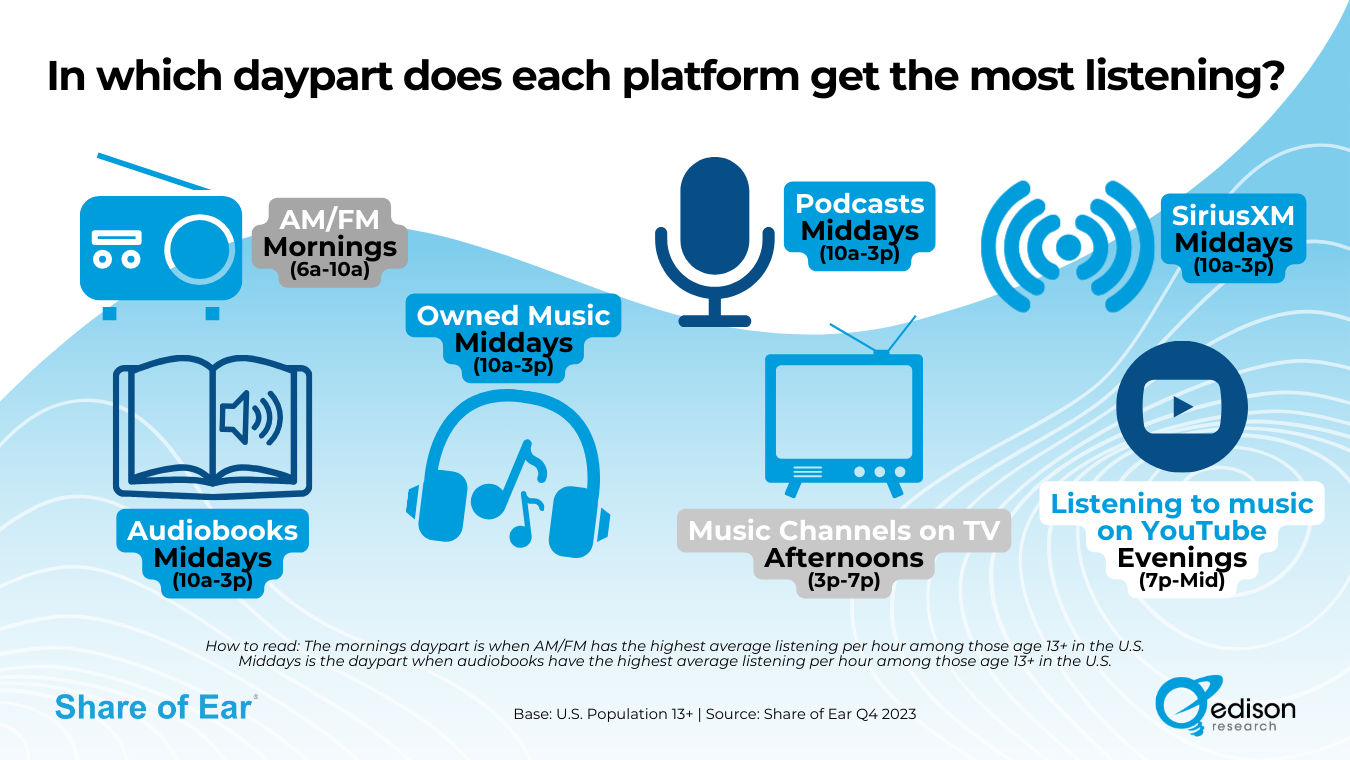
The only daypart that broadcast radio commands is morning drive (6-10am), which just happens to be the one daypart the broadcast radio industry still invests in live air personalities. For the rest of the dayparts, consumers utilize streaming audio or previously downloaded content to their media device.
My favorite time to listen to radio growing up was 7pm to midnight. Some of the best known and loved air personalities broadcast during this daypart; Big Ron O’Brien, John Records Landecker, Wolfman Jack, Cousin Brucie among others. However, today the research shows that YouTube is what people listen to at this time of day.
Just before the end of last year, SiriusXM announced the debut of its new streaming App. It offers “discoverability and personalization at the forefront, [so] listeners can quickly and easily find and dive into the content they love across SiriusXM’s 400+ channels and tens of thousands of hours [with] on-demand content and podcasts, [allowing] fans to go deeper into their passions and get closer to their favorite music, artists, personalities and sports; [providing] a seamless listening experience across streaming devices that reflects listener preferences and interests, [ensuring] subscribers never miss a moment wherever they are and whenever they want to listen.”
Don’t you wish the NAB (National Association of Broadcasters)
was working on something like this, instead of focusing on linear AM radio?*


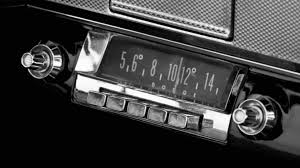 The first mass-market car radio premiered in June of 1930, but due to a second World War it wouldn’t be until the 1950s that car radios became common.
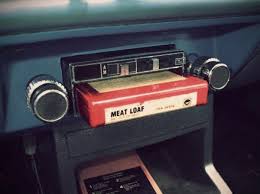
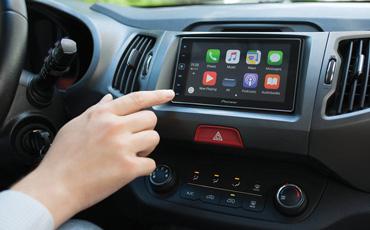
 With the evolution of self-driving cars, you can expect that more and more vehicles will come with video capabilities as well as audio, and also that the competition for who can provide the best in-car entertainment will be fierce and passionate.
 The headline read, “The Price of Wine is Dropping Fast.” Being a wine drinker, I wondered what was the reason for this downward price spiral and it turns out that it’s due to a surplus of California grapes. (Note: this story broke before the COVID-19 Pandemic. I’ll have an update on how that’s impacting wine sales at the end of this article.)
 Bill Thomas, a media and branding idea expert and broadcast & radio veteran (@BillThomas), shared a link on Twitter to an Ad Week
  it’s been illuminating learning about our city and the way it operates. The other evening, we had a session with the city’s Emergency Management and E-911 departments.


 Traditional habit patterns used to be that as people grew older, they grew into the same habit patterns as their parents. Things like reading a newspaper, watching the evening television news, becoming involved in their children’s schools, the community and listening to radio. But new research says, those patterns have been upended by what else but, the internet.
 For the radio listener, your next break is all that matters. Does it speak to your listener? Does it have relevance to your listener’s life right this second? How do you know?
 DickTaylorBlog