Tag Archives: Netflix

Is AM Radio “Hot or “Not”?

Twenty-four years ago, in October 2000, a new relationship website launched called “Hot or Not.” The premise of the site was for people to submit photos of themselves (or others) to have users of the site rate them on a scale of 1 to 10 on their attractiveness.

Within a month of launching, the site reached around two million page views per day.
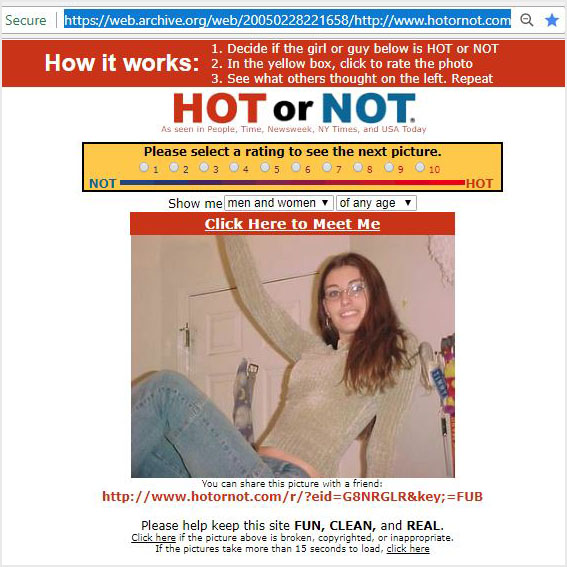
Mark Zuckerberg’s original idea was to do something similar with a site he created called FashMash, which became TheFacebook.com in 2004 (now just Facebook.com). Likewise, the founders of YouTube said they originally set out to create a video version of “hot or not” before developing a more inclusive site.

HOT or NOT

It was based on this site that Fred Jacobs presented, the things he did and saw at this year’s Consumer Electronics Show in Las Vegas, aka CES 2024, as being “Hot or Not.”

During the webinar, I asked the smarmy question “Is AM Radio HOT?” in the chat box. (No, I didn’t get an answer.)

However, the bigger question really is, “Is RADIO Hot or Not?”

The answer from everything I’m reading is “Not,” at least in the way things are going.

When it came to radio audience ratings, I never concerned myself with individual ratings, but preferred to study audience trends. Here’s the latest trend lines for both broadcast radio and digital streaming:

Not A Viable Business Anymore

In Canada this month, the chief legal and regulatory officer of Bell Media grabbed the headlines worldwide, when he explained the reason Bell was selling off 45 of its radio broadcast properties, was they were “not a viable business anymore.”

“One man’s trash is another man’s radio stations.”

-Fred Jacobs

So, what do you think the buyers of these radio stations must have thought, after the seller tells the world they think the radio stations they just sold are not a viable business?

Surprise, they are very positive about the radio business. Take a moment to listen to this very positive view from the CEO of My Broadcasting Corporation, one of the seven local broadcast companies that purchased radio stations from Bell.  You can here that CBC interview here: https://www.cbc.ca/listen/live-radio/1-100-ottawa-morning/clip/16041778-local-bell-media-radio-stations-owner

The State of Media 2024

Harker Bos Group https://harkerbos.com/ released new research on the state of media today and here are some of the key takeaways.

What are radio listeners looking to hear?

  • 54% highlight the importance of local coverage
  • 67% sound quality
  • 54% station availability
  • 53% ease of use

When the researchers compared broadcast radio to digital streaming of music, they found that usage of broadcast by younger audiences was losing out to streaming services. Those that are frequent users of streaming music tend to access it via smartphones, computers, smart speakers and tablets preferring on-demand music services with personalized playlists and recommendations. Streaming also provides users global access that is not bound by geographical limitations.

Is The Media Prepared For An Extinction-Level Event?

That headline in the New Yorker caught my attention! The author, Claire Malone, cites “ads are scarce, search and social traffic is dying, and readers are burned out, [which means] the future will require fundamentally rethinking the press’s relationship to its audience.”

The way to become a millionaire in radio,

is to start with a billion dollars.

That’s not something new, that witticism has been around since the end of the 20th Century. I was reminded of it when Claire shared the words of a late-career writer’s advice to the newbies: “You want to make it in journalism, marry rich.”

Last year, 2,681 people were laid off in broadcast, print and digital news media.

In February of this year, after the record-setting viewership to the CBS broadcast of Super Bowl 58, that very network announced it would be cutting 800 jobs.

Significant job cuts have taken place at:

  • NBC News
  • Vox Media
  • Vice News
  • Business Insider
  • Spotify
  • theSkimm
  • FiveThirtyEight
  • The Athletic
  • The New Yorker
  • Sports Illustrated

And some other media outlets closed down:

  • BuzzFeed
  • Gawker
  • Pitchfork
  • The Messenger (this endeavor lasted less than a year)

“Publishers, brace yourselves – it’s going to be a wild ride.

I see a potential extinction-level event in the future.”

-Matthew Goldstein, media consultant

I share these stories with you, not to depress you, but for you to better understand what’s going on, and that it’s not just a radio problem, but a media problem.

As Netflix, Amazon Prime Video and others add advertising to formerly ad-free streaming channels, where will those ad dollars come from; radio, TV, cable, newspapers, magazines? The advertising dollar pie is not infinite; to grow your piece of the pie, means eating someone else’s.

“It’s time for a new revolution.”

-Mark Thompson, CNN’s new CEO/Editor-in-Chief

Sadly, many media folks working in the industry today, have only been part of the culture of decline – where cutting expenses has been the only plan to achieve future success.

What’s always been true, is it takes money to make money.

Netflix, for example, invests a billion dollars in research and development – mostly on data scientists, engineers, and designers who help Netflix subscribers discover content that they will love.

How’s that working out for Netflix? Here’s the latest data:

In 2024, media companies will find media users making decisions on which services they really want – and can afford – to continue subscribing to.

For radio operators, who operate a subscription-free service, the challenge will be:

  • to understand what your listening area’s population wants, needs and desires, and
  • to deliver for your underwriters or advertisers the best R.O.I. (Return On Investment)

The best ratings for advertisers

will always be increased cash register rings.

6 Comments

Filed under Education, Mentor, Radio, Sales

The Future is ON-DEMAND

I just finished reading the public radio research report “An Audience Growth Strategy for Public Media” prepared by Jacobs Media and Mark Ramsey Media for Maine Public radio service. What really stood out to me was how clearly this report shows where the future is for all traditional linear media.

Linear Is In The Rear-view Mirror

Broadcast radio and television – traditional media – was built on a linear program schedule, delivering to the media consumer, information and entertainment on a schedule determined by the broadcaster. The VCR (video cassette recorder) developed in 1956 became widely available in the late 70s and by the early 2000s was in virtually every American household, giving  television consumers the ability to now watch shows on their schedule, not the program provider’s.

“It is painfully obvious neither broadcast radio nor television is growing, especially as it concerns traditional (terrestrial) usage and linear program schedules,” writes Jacobs/Ramsey.

Today’s Media Consumer

America continues to become more diversified: 72% of Baby Boomers are white but only about half of Millennials are white and four-in-ten of Gen Zs are white.

Millennials were born between 1981 and 1994, so VCRs have always been a part of their life and Gen Zs were born 1995 and 2009, which means also having an iPod type device has always been part of their life. Both of these devices contributed to the habit of having what you want, ON-DEMAND.

In 2007, the iPhone introduced us to a media device that made ON-DEMAND media consumption ubiquitous.

Listening Options

Today’s non-radio listeners have a plethora of media options:

  • Spotify
  • Pandora
  • Apple Music
  • Amazon Music
  • Radio Tunes
  • SiriusXM
  • Podcasts
  • Audio Books
  • YouTube
  • Social Media

…just to name a few.

Jacob/Ramsey says “Linear program schedules common to over-the-air [broadcast] stations are not in alignment with new media consumption habits.” Today’s consumer is in control, not the media provider.

ON-DEMAND Digital

In today’s world, the future is “Go Digital, or Go Home.”

Today’s traditional broadcasters (Radio & TV), must take advantage of digital’s ability to serve their audiences with what they want, when they want it and on the media platform they want it on. The same attention given to over-the-air broadcasts will need to be given to all the other ways of content distribution; as each is of equal importance to the media consumer.

“Broadcast radio and television will remain the core business for years to come, but a focus on traditional media can no longer be considered a growth strategy,” writes Jacobs/Ramsey.

Peacock & Netflix

NBC’s Peacock streaming service paid $100 million dollars to exclusively stream the wild-card playoff game between the Kansas City Chiefs and the Miami Dolphins, setting a record for the most-streamed live event in American history. Comcast Chairman & CEO Brian Roberts considered the streaming gamble a success and a very proud moment for the company, but for consumers it will mean having to pay for playoff games in the future.

This week Netflix announced it had struck a 10-year deal with WWE to air “Monday Night Raw” on its streaming service. This program has been on linear television since 1993; 31-years ago.

Peak Listening On Audio Platforms

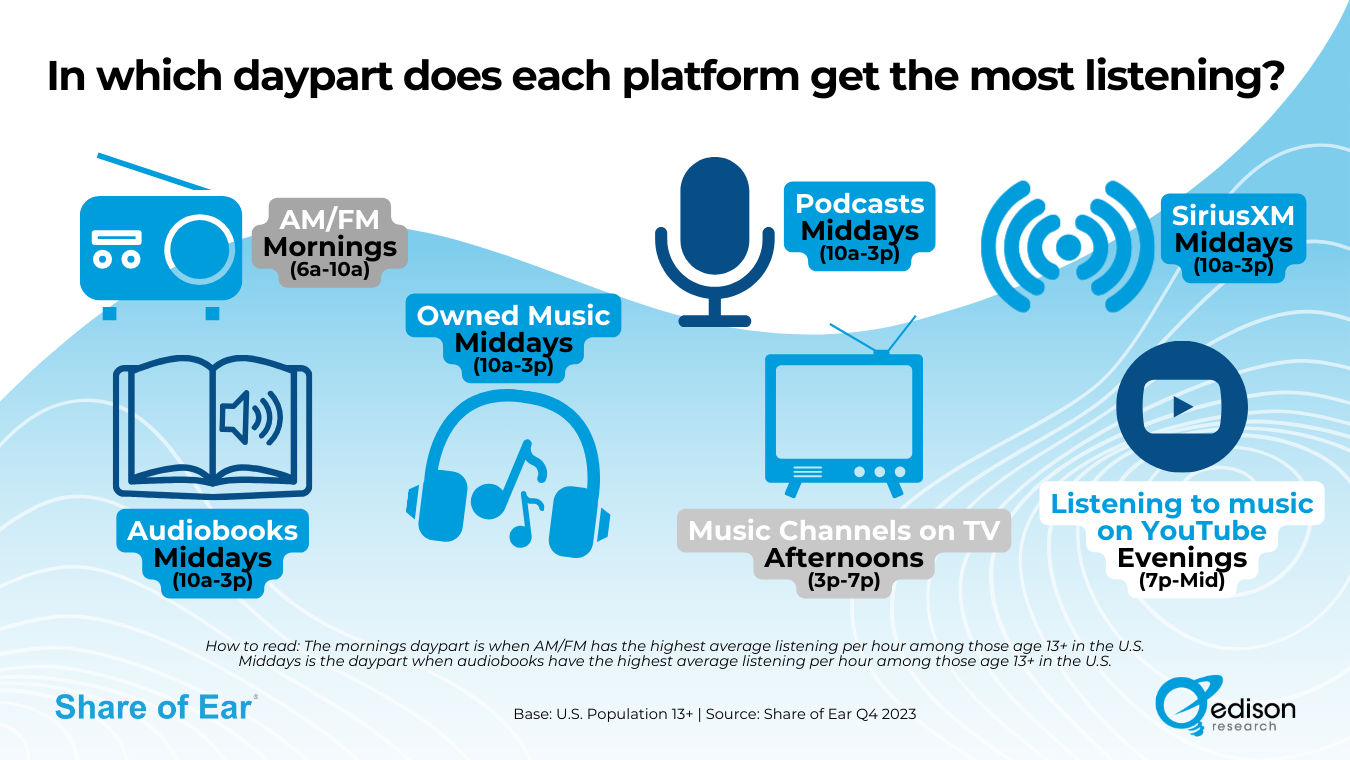
This pat week, when Edison Research published their article on which media platform commands the most listening in different dayparts, it was eye-opening.

The only daypart that broadcast radio commands is morning drive (6-10am), which just happens to be the one daypart the broadcast radio industry still invests in live air personalities. For the rest of the dayparts, consumers utilize streaming audio or previously downloaded content to their media device.

My favorite time to listen to radio growing up was 7pm to midnight. Some of the best known and loved air personalities broadcast during this daypart; Big Ron O’Brien, John Records Landecker, Wolfman Jack, Cousin Brucie among others. However, today the research shows that YouTube is what people listen to at this time of day.

Just before the end of last year, SiriusXM announced the debut of its new streaming App. It offers “discoverability and personalization at the forefront, [so] listeners can quickly and easily find and dive into the content they love across SiriusXM’s 400+ channels and tens of thousands of hours [with] on-demand content and podcasts, [allowing] fans to go deeper into their passions and get closer to their favorite music, artists, personalities and sports; [providing]  a seamless listening experience across streaming devices that reflects listener preferences and interests,  [ensuring] subscribers never miss a moment wherever they are and whenever they want to listen.”

Don’t you wish the NAB (National Association of Broadcasters)

was working on something like this, instead of focusing on linear AM radio?*

*https://www.nab.org/documents/newsroom/pressRelease.asp?id=6916

11 Comments

Filed under Education, Mentor, Radio, Sales

Zombie Radio

With the debut of the first Artificial Intelligence (AI) personality on Portland’s Live 95.5, the possibility of hearing the GOATs of Radio (Greatest Of All Time) back on the air took a giant step closer to becoming a reality.

The DJ Hall of Fame

Imagine your favorite radio personality returning to the airwaves via voice cloning and the use of Artificial Intelligence. When I first wrote about this, over a year and a half ago, it seemed like something that would be five to ten years away, not 18-months.

Netflix

The most popular video streamer offers viewers content that is produced from all over the world, in the native language of the country it was produced. Netflix either has to offer this content with subtitles or voice-dubbing.

Netflix research has found the majority of its subscribers prefer voice-dubbing to subtitles. AI technology offers Netflix to have voices that sound the same as the original actors through voice sampling. Two additional benefits are that using this technology is faster than hiring actors to read and record the dialog, and it’s cheaper too.

Voice Sampling

Companies such as WellSaid have developed Artificial Intelligence technology that uses just a small sample of a person’s voice and can then re-create that voice to say anything a person types on a computer keyboard.

ChatGPT-4

Last week I had Chat GPT write an article for this blog. What was amazing to see, was the speed at which it happened.

As many readers pointed out, it broke no new ground about the future of commercial broadcast radio in the United States but simply rehashed all that has already been said.

Then Alpha Media’s Top 40 KBFF (Live 95.5) in Portland, Oregon announced it had become the world’s first radio station to use an AI DJ, made possible through the use of Futuri’s RadioGPT. Using the voice of the real Ashley Elzinga aka Ashley Z, the midday personality on Live 95.5, AI Ashley was “born”.

This is the Tweet that demonstrated how both the real Ashley Z and AI Ashley sound: TWITTER LINK  

After you’ve listened to the demo, you should take a little extra time to read all the comments that follow Ashley Z’s Tweet. Especially the ones that think the station should change its branding from “Live 95.5” to something more like “artificial 95.5”.

If the power of radio is the personal connection an air personality makes with a listener, can this connection be made artificially?

Ashley Z

KBFF’s website has this bio of Ashley Elzinga:

Ashley got her break in radio thanks to an internship with Ryan Seacrest at his famous Ryan Seacrest Productions in Los Angeles, CA. She’s been on the air in Sacramento, Atlanta, Cleveland, Dallas, Austin, Seattle, and now Portland!

She’s currently studying business at Harvard Business School Online and hopes to earn her MBA in the next few years.

Ashley loves to read and is obsessed with skincare and her 2 kitties, Oakley and Raspberry.

Sounds like Ashley Z has plans beyond her current radio gig, once she obtains that advanced degree from Harvard.

Dan Ingram, Larry Lujack, Robert W. Morgan, The Real Don Steele…

It seemed like 18-months ago I was “spit balling” the future, but we now can see that having radio’s GOATs back on the air and doing their thing, artificially, is closer than you might have thought. The technology to do it is here today, however the sticking point for seeing this reality, will most likely be the many legal issues over the rights to using these voices. Unlike on TV, the law in real life is a slow moving process.

Rewound Radio

Until that day arrives, I will enjoy radio’s GOATs on Rewound Radio’s DJ Hall of Fame, that airs every Saturday afternoon from 12-3pm (EST) on https://rewoundradio.com

After all, who wants “New Coke” when you can have “The Real Thing.”

23 Comments

Filed under Education, Mentor, Radio

Voice Cloning Technology

While I was traveling through Atlantic Canada in July, this news story broke in Radio World:

iHeartMedia’s plan to use Veritone’s voice-cloning technology for its podcast platform has some radio industry observers asking the obvious questions: How good does it sound and is broadcast radio far behind? 

The largest radio company in the United States says that for now, the synthetic voice solution will only be used to translate podcasts from English to other languages for use on the iHeartPodcast Network, first for Spanish-speaking audiences. But Veritone officials confirm its technology could someday be used for advertising to reduce time-to-market and production costs for radio.”

You can read the complete article here: https://www.radioworld.com/news-and-business/headlines/veritone-synthetic-voice-gets-an-audition

It reminded me of an article I wrote on this very subject in December 2021. I thought readers might find my article of more interest now that the deployment of this technology is happening at warp speed.

Is it Live, or is it Memorex?

I remember when the audio quality of tape recorders became so improved with audio reproduction, that the question of the day was, “Is it live or is it Memorex?” Memorex was a company established in 1961 for selling magnetic computer tapes. In the 70s Memorex moved into producing quality audio tape for recording music and voice.

TV commercials at that time featured Ella Fitzgerald singing a note that shattered a glass, while simultaneously being recorded on an audio cassette. The recorded audio would then be played back and the recording would also shatter a glass, to which the announcer would ask, “Is it live, or is it Memorex?”

Is AI Going to Replace Voicetracking?

Then Radio Ink published a story that got many of the people in my radio, podcasting and other social media groups talking about, titled “Is AI going to replace voicetracking?”

Voicetracking technology has been used to replace live radio personalities for decades, but what AI presents the industry with is the possible ability to bring back the big name radio personalities.

Dan Ingram, Larry Lujack, Robert W. Morgan, The Real Don Steele…

Imagine your radio market’s favorite radio personality returning to the airwaves. It’s not out of the realm of possibility.

A company called WellSaid Labs has created dozens of human voice avatars where all one needs to do to get them to talk, is type text into a computer and the voice will say it.

Imagine how having a creative person, who has studied the style of an iconic personality, and then creating new, contemporary material to be delivered in that personality’s voice might sound.

Netflix Research

Now you might be wondering why anyone would want this type of technology. Well, Netflix now streams content worldwide and buys new content from producers all over the world. Much of that content is produced in the country’s native language and so Netflix has to show that content with either subtitles or voice-dubbing the dialog with voice actors speaking in the language of the country the material will air in.

It might not surprise you to learn that when Netflix has offered viewers two ways of viewing  a program, Americans in particular, prefer voice-dubbing to subtitles. (I know I do.)

To speed up the process of voice-dubbing and to have voices that sound the same as the original actors, companies like WellSaid are developing artificial intelligence technology that by voice sampling can then re-create the voice automatically.

ALEXA

I already have conversations with Alexa and have wondered what she might sound like as a DJ on a radio station, haven’t you?

The afternoon DJ on KCSN, Andy Chanley, has been on-the-air there for over 32 years. Now using a robot DJ named ANDY (Artificial Neural Disk-Jockey), Chanley’s voice will continue to be heard in many places throughout Southern California. During a demonstration for Reuters, reporters say that Chanley’s AI voice was hard to distinguish from his human voice.

You can listen to these computer generated voices WellSaid has created for yourself by clicking on this link: https://wellsaidlabs.com/?#actors-preview-list

Is Your Favorite DJ Already a Robot?

WellSaid says its voice avatars are doing more than just DJ work, they are being used extensively in corporate training material and the creation of audio books.

Do I think I will live to see radio’s great personalities coming back to life? No, because I think there will be too many legal issues that might complicate that from happening anytime soon.

But I do think that original voice avatars, teamed up with creative content developers, might just come into existence sooner than we imagine and provide us with an entirely new form of radio entertainment.

(This article was originally published on December 19, 2021)

6 Comments

Filed under Education, Mentor, Radio, Sales

Subscription Media

The inspiration for this week’s article came from a blog written by Fred Jacobs titled “When will ‘Netflixification’ Come To Radio?” Fred’s article revolved around Netflix’s innovation of a subscription model for its entertainment offerings, which got me to thinking about when the subscription business model for media began.

The Subscription Model

We would have to journey back to the 17th century to find the earliest records of book and periodical publishers pioneering a subscription business model for print media.

The subscription business model is one where the customer

pays a recurring price

at regular intervals to access a product of service.

Most recently, Apple is said to be working on a subscription model for its hardware; iPhones, iPads, computers etc. Why? Well customers are good, but it turns out that subscribers are even better. Emarsys’s Chris Gooderidge writes that over the last nine years, “the subscription economy has grown nearly 6x (more than 435%),” with subscription businesses growing five to eight times faster than those with a traditional business model. The two years the world closed down due to COVID only served to accelerate companies’ and consumers’ digital transformation.

On Demand & Subscriptions

What most of us want, as consumers, is convenience. We want what we want, when we want it. The subscription business model fulfills this desire. It enables us to listen to music or play games, as well as watch TV shows and movies.  

The more customers gain a taste

of truly personalized repeat services,

tailored specifically to them…

they won’t want to go back to what they had before.

-Chris Gooderidge

Subscription Radio

In 1923, in Dundee, Michigan, an early radio entrepreneur offered subscribers a wired radio system, that would provide radio programs from several radio stations for $1.50 a month; which would be $24.75/month in 2022. While it didn’t succeed, it was the precursor to what later would become the cable television industry.

Subscription Television (STV)

Back in the 60s, over-the-air television experimented with a subscription model. Companies in Connecticut and California each found themselves in court with theater owners when they developed a subscription business model that offered recent movies to be viewed in the home. The battle in Hartford, Connecticut made it all the way to the Supreme Court.

In the end, the pay television model was taken over by cable television, which learned in addition to providing a community antenna to receive distant broadcast television signals, could also create original programming. These new program channels could be offered on a subscription basis, like CNN, ESPN, The Weather Channel etc.

Is a Subscription-Based Business Model Right for You?

Like most questions along these lines, the answer is: it depends.

The subscription model is dependent on products and services that have a high perceived value to the consumer. (Note: things offered for “FREE” often don’t have a high perceived value)

On the blog, Billing Platform, they list four common successful subscription based business models:

  1. Consumables and Retail Models in Subscription Billing: companies like Dollar Shave Club and Blue Apron
  2. As-a-Service Subscription Billing Models: companies like Microsoft with their Office 365 and Dropbox
  3. Digital Entertainment Subscription Billing Models: companies like Netflix, Disney+, Apple TV+, Amazon Prime, Hulu, Peacock etc for video and Spotify, Pandora, Radio Tunes etc for audio
  4.  Maintenance and Repair Subscription Billing Models: companies like landscaping, pest control, heating & cooling, as well as other common maintenance needs

Peak Subscription

Which brings us to the million dollar question, when do we max out on all of these monthly/annual subscriptions? When do we reach, “peak subscription;” that light-bulb moment when we realize we need to start eliminating some of these expenses.

It was that very question that finally got me to sit down and review our monthly household subscriptions and total things up. It’s something I’ve been meaning to do anyway, but Fred’s blog was the spark that put me in action.

Here’s our entertainment subscription list:

  • Amazon Prime
  • Frndly TV
  • Netflix
  • Disney+
  • Apple TV+
  • Washington Post
  • Time Magazine
  • The Atlantic
  • Consumer Reports
  • Radio Tunes
  • Pandora Premium
  • Sling TV

Now, to make most of these digital entertainment subscriptions work, we need to subscribe to an internet service and since we use many of these services on our iPhones, we also need to add in our monthly call/text/data plan too.

Our monthly cost is $228 or $2,736 annually.

Fred reveals that in the upcoming Techsurvey 2022, two-thirds of the people in his survey now agree with the statement, “I am concerned about the growing number of subscription fees I’m paying for media content.”

I urge you to sit down with your bills and do an audit of your household’s entertainments subscription expenses. If you are like us, you didn’t subscribe to all of them at the same time, but added them one-by-one over a period of years.

Sophie’s Choice

The problem for all of us, comes to making a “Sophie’s Choice” of our media subscriptions. We love them all and trying to decide which ones to eliminate is NOT an easy decision.

What one learns when they are faced with this decision is that we are “happily hooked” on all of them.

Commercial radio and TV operators also need to realize as the subscription economy for entertainment continues to grow, the number of hours in a person’s day is finite, and our time with subscription media means little is left over for OTA radio/TV.

People will spend their time, on those media services

they spend their money with.

4 Comments

Filed under Education, Mentor, Radio, Sales

What Makes Your Radio Station Unique?

In teaching broadcast sales at the university, one of the things I taught my students was to help their advertising clients to identify their unique selling position in the marketplace. In other words, what was the one thing that made them different than everyone else in their specialty.

Something For Everyone

The answer you most often hear when you ask an advertiser what makes them unique is, “well, we have something for everyone.”

Something for everyone is nothing special for any one. To the radio listener, it’s like blah, blah, blah. It’s meaningless. Why? Because every other advertiser selling everything from soup to nuts says the same thing and the listener has become trained to tune out these advertising clichés.

Plumbers

Plumbers are probably not something you ever give much thought about, UNTIL you need one. That’s true for lots of repair services when you think about it.

What’s the one thing you hate about calling a home repair company? Knowing that you will be kept waiting and waiting and waiting for their arrival at the time when they said they would.

“It takes many good deeds to build a good reputation and only one bad one to lose it.”

Benjamin Franklin

Benjamin Franklin Plumbing could have said a lot of things about the services they provide, but instead they decided what would make them unique in the ears of future customers would be being punctual.

Benjamin Franklin

The Punctual Plumber

They built their whole franchise around the realization that people hate to be kept waiting. In fact, they promise when you don’t have time to wait around, you can count on them to be punctual plumbing professionals, but if they are ever late, they will pay YOU for every minute they’ve made you wait. Doesn’t that resonate with you? It does for me.

Give Your Radio Station a Diagnostic

When is the last time you pulled out the Advertiser Diagnostic sheet and used it on your own radio station(s)?

What makes your station unique? Not the music, that’s for sure. The songs you play were carefully crafted by composers, producers and talented artists, who have record labels that have worked relentlessly to get those songs played on as many radio stations, pure play streamers, movies, TV shows and any other place that uses music to entertain people.

Is your brand name unique? Well, if you branded your radio station KISS you are one of 78 radio stations in America that call themselves that, along with radio stations in Ireland, United Kingdom, France, Italy, Poland, Ukraine, Romania, Moldova, Iceland, Greece, Spain, Sweden, Germany, Brazil, Canada and Australia. It’s no different than calling your radio station HOT, Jack, Bob, Alice or some other cute name that dozens upon dozens of other radio stations are doing, especially in a world where voice commands increasingly are the way people are accessing audio on their smart devices.

But if your brand is 650AM -WSM, you are the only one in the world that has that brand. You have set yourself apart from the estimated 44,000 radio stations currently on-the-air in the world. WSM is the Home of the Grand Ole Opry. I don’t expect this historic radio station to ever call itself by any other name, but by the one it owns exclusively: WSM.

Streaming Radio

In a world where you can receive virtually any radio station on an App like TuneIn, being unique and one-of-a-kind has never been more important.

If a person tries asking Alexa, Siri or Google to play the KISS radio station, I have no idea which one she will play. However, I don’t have to wonder for a second, if I ask my smart speaker to play WSM, I will hear any other radio station, but the one from Music City USA, in Nashville, Tennessee.

What Makes Your Radio Station Unique?

If you stake your radio station’s future on things created by others, like music, talk shows, network news, syndicated programs, jingles – things every other radio station in America has access to – then your radio station is NOT unique.

When other providers are able give your listeners more of what they want while eliminating the things they dislike, your days as a broadcaster are numbered.

Another way to think about this is, if you were to eliminate all of your commercials – the thing radio listeners say they object to most – would you be able to sustain your radio station by listener support, like public radio and Christian radio does? Or the way that Netflix or SiriusXM does?

If a listener hasn’t heard of your radio station,

wouldn’t choose your station or recommend it,

your brand is dead.

<Picture: The Fuse Vert is a premium vertical vinyl audio system which can also play FM radio>

5 Comments

Filed under Education, Mentor, Radio, Sales

Is it LIVE or AI?

One of the loyal readers to this blog, wrote and asked me what I thought the future looked like for the combination of radio and Artificial Intelligence (AI). In today’s blog, I will consider that very question.

Is it Live, or is it Memorex?

I remember when the audio quality of tape recorders became so improved with audio reproduction, that the question of the day was, “Is it live or is it Memorex?” Memorex was a company established in 1961 for selling magnetic computer tapes. In the 70s Memorex moved into producing quality audio tape for recording music and voice.

TV commercials at that time featured Ella Fitzgerald singing a note that shattered a glass, while simultaneously being recorded on an audio cassette. The recorded audio would then be played back and the recording would also shatter a glass, to which the announcer would ask, “Is it live, or is it Memorex?”

Is AI Going to Replace Voicetracking?

Then Radio Ink published a story that got many of the people in my radio, podcasting and other social media groups talking about, titled “Is AI going to replace voicetracking?”

Voicetracking technology has been used to replace live radio personalities for decades, but what AI presents the industry with is the possible ability to bring back the big name radio personalities.

Dan Ingram, Larry Lujack, Robert W. Morgan, The Real Don Steele…

Imagine your radio market’s favorite radio personality returning to the airwaves. It’s not out of the realm of possibility.

A company called WellSaid Labs has created dozens of human voice avatars where all one needs to do to get them to talk, is type text into a computer and the voice will say it.

Imagine how having a creative person, who has studied the style of an iconic personality, and then creating new, contemporary material to be delivered in that personality’s voice might sound.

Netflix Research

Now you might be wondering why anyone would want this type of technology. Well, Netflix now streams content worldwide and buys new content from producers all over the world. Much of that content is produced in the country’s native language and so Netflix has to show that content with either subtitles or voice-dubbing the dialog with voice actors speaking in the language of the country the material will air in.

It might not surprise you to learn that when Netflix has offered viewers two ways of viewing  a program, Americans in particular, prefer voice-dubbing to subtitles. (I know I do.)

To speed up the process of voice-dubbing and to have voices that sound the same as the original actors, companies like WellSaid are developing artificial intelligence technology that by voice sampling can then re-create the voice automatically.

ALEXA

I already have conversations with Alexa and have wondered what she might sound like as a DJ on a radio station, haven’t you?

The afternoon DJ on KCSN, Andy Chanley, has been on-the-air there for over 32 years. Now using a robot DJ named ANDY (Artificial Neural Disk-Jockey), Chanley’s voice will continue to be heard in many places throughout Southern California. During a demonstration for Reuters, reporters say that Chanley’s AI voice was hard to distinguish from his human voice.

You can listen to these computer generated voices WellSaid has created for yourself by clicking on this link: https://wellsaidlabs.com/?#actors-preview-list

Is Your Favorite DJ Already a Robot?

WellSaid says its voice avatars are doing more than just DJ work, they are being used extensively in corporate training material and the creation of audio books.

Do I think I will live to see radio’s great personalities coming back to life? No, because I think there will be too many legal issues that might complicate that from happening anytime soon.

But I do think that original voice avatars, teamed up with creative content developers, might just come into existence sooner than we imagine and provide us with an entirely new form of radio entertainment.

9 Comments

Filed under Education, Mentor, Radio

Is Radio Up Schitt’s Creek?

When we travel, we’ve noticed that radios have vanished from hotel/motel rooms across America, replaced by free WiFi. Televisions didn’t go away, but were upgraded to widescreen High Definition TVs and you almost always still find a Gideon Bible.

Schitt’s Creek

When watching movies and TV shows, I often look to see if there’s a radio in sight, noticing in British productions they often are, but not in American ones.

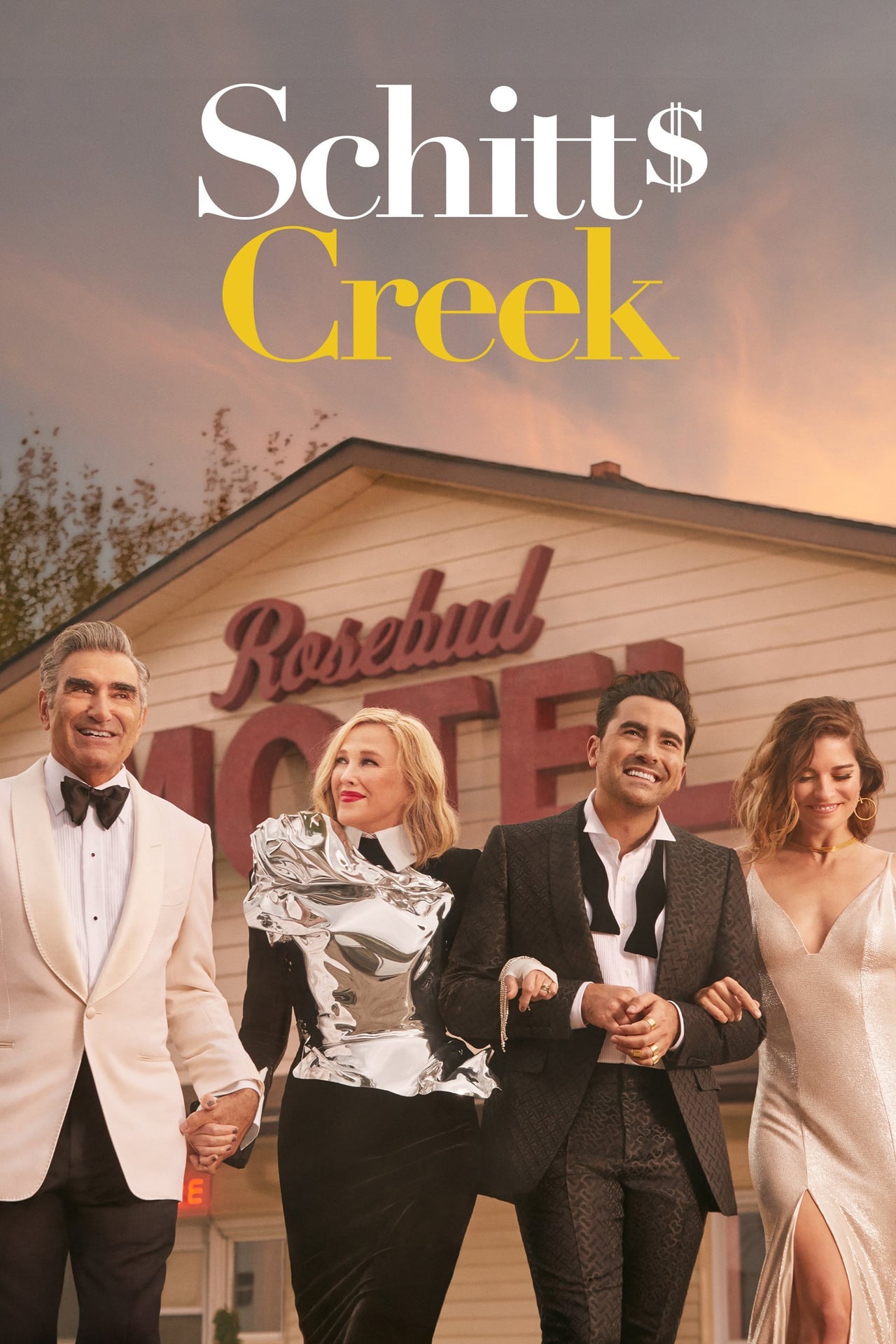
The series Schitt’s Creek was produced for the Canadian Broadcasting Corporation (CBC) in Canada and is currently running on Netflix. Sue & I have watched all six seasons of the show twice and while the residents of the fictional Rosebud Motel can be seen using televisions, computers and cellphones, we never see anyone listening to a radio*.

Nostalgia Sells

If you think about it, many forms of nostalgia have been reborn and enjoy great success in the 21st Century. Sonic successfully brought back the drive-in restaurant, Major League Baseball got its highest television ratings playing ball on a “Field of Dreams” in Iowa, Drive-In Movies are a way to watch a movie on the big screen while socially distancing and Schitt’s Creek, along with COVID, might be credited with bringing back the MOTEL.

The Johnny Rose character envisioned franchising his Rosebud Motel and found investors that believed in his dream.

MOTELS

The New York Times published an article over the Labor Day Weekend titled “Who Wants a Hotel With a Hallway Anyway?” The article explains that since COVID hit, people’s desire to travel hasn’t diminished, but that traveling by personal automobile and staying in places that allowed easy entry to a room without having to take an elevator or travel down a crowded hallway suddenly became an important criterion in lodging.

And when you think about it, motels are like baseball, hot dogs and apple pie; they are woven into the fabric of Americana.

Car Radios

Just as American, is our love of the automobile. Motels, which get their name from the merging of the words “hotel” and “motorcar,” grew across the USA right along with car ownership.

Car radios were an expensive option when they came on the scene in the 1930s, but by 1946, it’s estimated that over nine million cars had a radio in them. With the advent of the transistor, radios became a smaller and inexpensive auto option, so much so that by 1960 over 50 million cars – 60% of all the cars on the road – had a radio in them.

I’m sure the cars used on Schitt’s Creek had a radio in them, but we never see them used on the show like we do televisions, computers, cellphones and laptops.

We also see Facebook, Twitter, and online ratings sites being used on the show. Even the town’s real estate agent has a podcast that takes advantage of internet access and WiFi.

Staying Current

The big difference between those original motels and the motels of the 21st Century is that they have taken the positives – parking your car right in front of your room, avoiding crowded spaces – and eliminating the negatives – primitive furniture, lumpy bedding,  and dingy décor – creating an inviting and COVID-SAFE getaway experience.

Motels today have free WiFi, HDTVs, and plenty of places to charge your laptops, tablets and smartphones.

Interestingly, like radio many operators have taken the word “radio” out of their company names and logos, some motel operators think a better name might be “motor lodge” or “boutique hotel.” They are concerned the word “motel” conjures up bad images of the places shown in TV shows like Breaking Bad or in movies like Chevy Chase’s Vacation.

But whether you call them motor lodges, high-end motels or exterior-corridor hotels, they are once again in vogue because they are perfect for getting away in a coronavirus mutating world.

Buy the Rosebud Motel

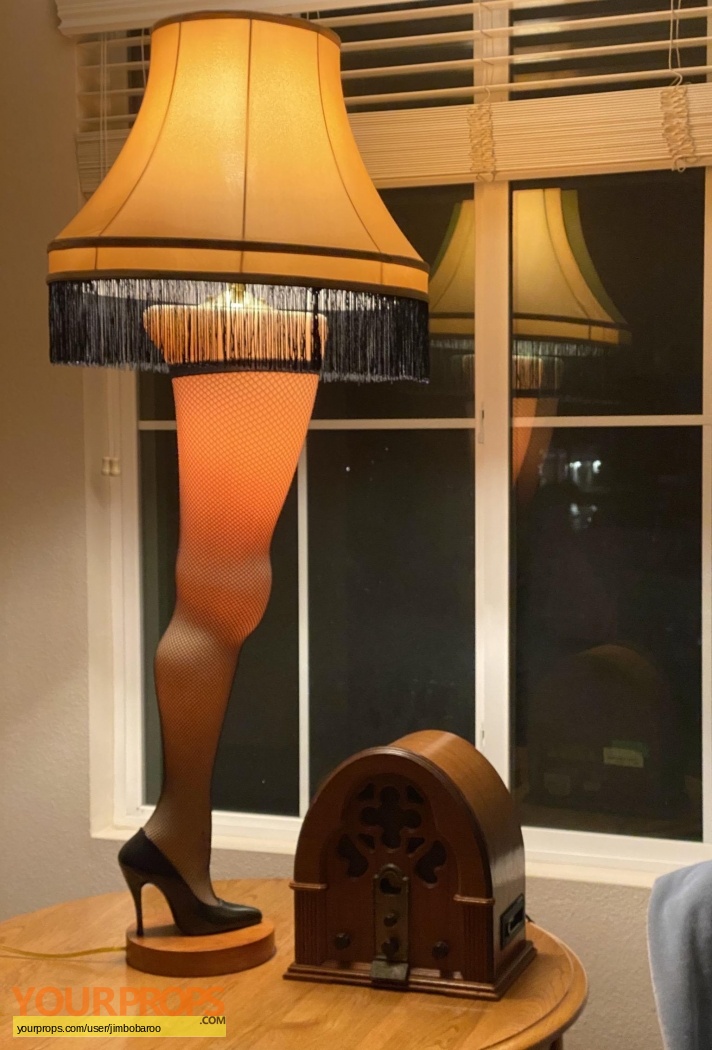
Several years ago, when I was traveling through Cleveland, Ohio, I visited Ralphie’s home featured in the movie classic “A Christmas Story.” It was bought in 2004 by Brian Jones, a San Diego entrepreneur and a big fan of Jean Shepherd’s classic film. Jones used the revenue from his Red Rider Leg Lamp Company to purchase the home on eBay for $150,000 remaking the inside of this 19th century Victorian house an exact replica of the movie’s interior.

Since its opening on Thanksgiving weekend in 2006, millions of people have toured the home making it one of the top tourist attractions in Cleveland. Jones also built a wonderful museum and gift shop near the house and continues to enjoy success selling his leg lamps, Red Rider BB guns, and other movie nostalgia.

If you are just as enamored with the motel in Schitt’s Creek and think you might be able to turn it into your own “goldmine,” you can buy it for $1.6 million. Known in real life as the Hockley Motel, you will find it located just an hour outside of Toronto, Canada.

If you do decide to buy this piece of television nostalgia, please consider putting digital streaming radios in each of the ten rooms as part of your renovation.

*A clock radio appears for brief moment by Johnny’s bed in Season 2, Episode 4, but it never gets used, like the TVs, computers and cellphones.

6 Comments

Filed under Education, Mentor, Radio

What I Recently Witnessed About Radio Use

Sue & I just returned from a seven week trip out west to visit our children and grandchildren who are living in Nevada, Montana and Washington. For me, our trip would also be a chance to witness how radio is used (or not used) in three different households, as well as in hotels, businesses and public transportation. What I would witness, was concerning.

Nevada

In Nevada, I noticed that for a household of seven, not a single radio was to be found. Audio was accessed by asking Alexa (Amazon Echo) to play something or a particular playlist was sent wirelessly to speakers via someone’s iPhone. Everyone, even the very youngest grandchild, who’s five, had their own iPhone.

In a house where both parents work, and can be called out at any hour of the day, this type of communications for all family members becomes a necessity.

Radio listening, if done at all, was something only done when in the car. Television, was connected to a cable bundle and only CNN or Netflix seemed to get viewed. The grandkids spent most of their time playing video games on the house computer, game console or their iPhones.

Montana

Here a Sonos home speaker system had been installed in the home. I found that two different local radio stations (country & classic rock) were programmed into rotation, along with an Amazon Echo smart speaker. Our grandkids called up songs they wanted to hear by asking Alexa to play them, so in the week we spent, Alexa was pretty much the default choice for anything musically played.

Television programs were all streamed via YouTube TV.

Radio pre-sets in the car were set to several country stations, several classic rock stations, several contemporary music stations and an oldies station. In all, 22 different radio stations were loaded onto the pre-sets. I added KBMC to that pre-set list when we borrowed the car a couple of times. KBMC programs a variety of jazz and classical music.

Washington

Our stay in the State of Washington took place on Whidbey Island. The only radio signal licensed on the island plays regional Mexican music and the majority of its content is in Spanish. So, it wasn’t surprising to find the pre-sets on the car radio did not include KNZW – La Zeta 103.3.

What was surprising was to see that all the pre-sets were to HD1 signals in this Mazda 6 sedan. (It appears Mazda has their radio default to HD signals and you have to toggle it off to get FM signals.) Since the island is just across the water from Seattle, all of the pre-sets were to Seattle radio stations. The two that dominated the listening in the car were KSWD (Audacy’s 94.1 The Sound) when mom was behind the wheel and KQMV (Hubbard’s Movin’ 92.5) when either of the grand kids got control of the radio. However, what is dispiriting to witness is how frequently the radio stations get changed whenever something comes on that they don’t wish to hear. When commercials come on, the station gets changed. Likewise, when songs they don’t like come on, the station gets changed. It’s like watching football using the Red Zone.

Here again, not a single radio receiver was to be found inside the home.

The Bus & Hotels

When we departed Whidbey Island, we took a bus into Seattle. On the bus we listened to KSWD 94.1 The Sound out of Seattle. It provided a nice sound track for the ride and the bus driver never changed the station for the two hours it took to reach our destination.

Every hotel room we stayed in featured flat screen TVs but none had a radio. The old clock radios have been replaced by digital clock/USB charging stations for our iPhones, iPads and laptop computers.

Summing It All Up

I realize there is nothing scientific about this, it’s all anecdotal, but it was a dose of reality that confirms much of the research I’m reading about today’s radio landscape.

No one in our seven weeks on the road tuned into any AM radio station. FM, was radio to everyone, but then, only in their vehicles. Listening to radio in the home was not possible, because there was only one radio in any of the homes we stayed at and that was in the garage.

HD Radio sounds great, but in all honesty, the one family that had this easily accessible in their car, probably didn’t know that’s what they were listening to and it certainly wasn’t the reason they were listening to any particular station.

With the exception of our two hour bus ride, radio exposure could be measured in short segments, that only happened to occur because the radio comes on with the ignition switch. Sadly, changing radio stations occurs constantly, so any commercial content never gets heard.

Likewise, businesses we frequented either had their own franchise “radio station,” like Walmart Radio or streamed a music channel from some other music service they subscribed to.

In our travels, we didn’t see a TV commercial, billboard or bumper sticker for any radio station. Lots of shirts and sweatshirts promoting lots of things, but not one for any radio station.

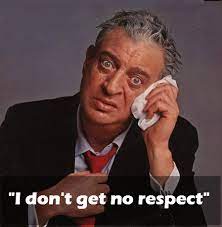
Radio, it would appear, has become the Rodney Dangerfield of media.

“We don’t get no respect.”

But then maybe, it’s a self-inflicted situation

57 Comments

Filed under Education, Mentor, Radio, Sales

The Better Advertising Mousetrap

Ralph Waldo Emerson is said to have coined the phrase: “Build a better mousetrap, and the world will beat a path to your door.” When it comes to advertising, social media has built the better mousetrap, and you and I are helping them to improve it every day.

The Social Dilemma

There’s a new documentary on Netflix called “The Social Dilemma” about how social media is impacting our lives, and is truly eye-opening. I encourage you to watch this documentary if you subscribe to Netflix, but especially if you’re in advertising and marketing. In fact, it would pay you to subscribe to Netflix just to view this documentary; it’s that important!

This blog won’t be about many of the important social issues raised in the documentary, but instead I plan to focus on how traditional media, like AM/FM radio broadcasting, is fighting a battle for advertising with the internet companies that isn’t a fair fight. Broadcasters are in essence coming to a gun fight, wielding a knife.

This shouldn’t come as a surprise to regular readers of my blog, because back on February 25, 2018, I wrote an article titled “Radio Has an Addiction Problem,” that quoted MIT professor Sherry Turkle’s 1995 book “Life on the Screen, Identity in the Age of the Internet” saying “computers don’t just do things for us, they do things to us, including ways we think about ourselves and other people.” Turkle said that computers weren’t just a tool, but were sneaking into our minds and changing our relationship with the world around us.

Monetizing Social Media

Social media quickly realized that in order to sustain itself it needed to monetize its service. Google’s search engine business was a Silicon Valley marvel for not only harnessing the power of the internet but simultaneously building a revenue engine that grew right along with it. Tim Kendall, now CEO of Moment, was one of the early people at Facebook, charged with coming up with a way to make money. He said that he decided that the “advertising model was the most elegant way.”

Advertising

The advertising business has always been about selling exposure to the people who use the product. Newspapers sold access to its readers, radio sold access to its listeners and television sold access to its viewers.

“Half the money I spend on advertising is wasted;

the trouble is, I don’t know which half.”

-John Wanamaker

Businesses have always wanted to get the biggest bang for their advertising buck, but realized that in the world of advertising, there were no guarantees, that is until social media came along. Mel Karmazin, former broadcasting and satellite radio CEO put it this way when he met with the founders of Google: “You’re messing with the magic of sales.”

Jaron Lanier, who wrote the book “Ten Arguments for Deleting Your Social Media Accounts Right Now,” explains that what social media is doing more effectively than traditional media is “changing what you do, how you think and who you are…it’s a gradual, slight, imperceptible change in your behavior and perception.” It’s similar to a magician performing slight-of-hand tricks, and making you believe things that aren’t real.

“This is what every business has always dreamt of, to have a guarantee that if it places an ad it will be successful. That’s (social media’s) business, they sell certainty. In order to be successful in that business you have to have great predictions. Great predictions begin with one imperative, you need a lot of data.

The internet has given us a new kind of marketplace that never existed before, a marketplace that trades exclusively in human futures. Just like there are markets for pork belly futures, or oil futures, we now have markets that trade in human futures, at scale, and those markets have produced the trillions of dollars that have made the internet companies the richest companies in the history of humanity.”

-Shoshana Zuboff, PhD, Harvard Business School

Author of “The Age of Surveillance Capitalism”

“Any sufficiently advanced technology

is indistinguishable from magic.”

-Arthur C. Clarke

Getting Your Attention

Every company whose business model is to sustain itself through the selling of advertising is competing with other companies for your attention. Traditional media is competing with every social media company to get as much of your time and attention to their platform as they possibly can. Remember, when you’re not paying for the product, you are the product.

The advantage social media has over traditional media is their development of persuasive technology. It’s designed to intentionally apply to the extreme behavior modification in the user, and cause them to take a desired action. It does this through the use of positive intermittent reinforcement, just like a casino slot machine lures you into thinking the next pull of the handle will release its fortune. Social media works to create an unconscious habit, programming you for a deeper level of control than you even realize is happening.

Social media has learned how to exploit a vulnerability in human psychology, which even when you know how it works doesn’t inoculate you from its power to change you.

No longer is social media a tool we use, but is a tool that uses us, creating this technology based environment designed for mental addiction through psychological manipulation.

“There are only two industries that call their customers ‘users’:

illegal drugs and software.”

-Edward Tufte

Most concerning about this change is that it’s being driven by a technology that’s advancing exponentially. In contrast, our human brain has not really advanced at all over the same period of time. The rate of change is beyond our human comprehension, even for the very people who are designing and building these computer networks.

“The race to keep people’s attention by social media isn’t going away. Our technology is going to become more integrated into our lives, not less. The AI’s (artificial intelligence) are going to get better at predicting what keeps us on the screen.

How do you wake up from the matrix when you don’t know you’re in the matrix?”

-Tristan Harris, Center for Humane Technology Co-Founder

“Whether it is to be utopia or oblivion

will be a touch-and-go relay race

right up to the final moment…”

-Buckminster Fuller

Today, the internet is a more efficient way to sell our attention to advertisers.

Now you know why.

16 Comments

Filed under Uncategorized